Blog

  • Lesson 7 – Clothes Shop

    Lesson 7 – Clothes Shop

    New Skills

    • ✅ Select clothes at the shop

    Reviewed Skills

    • ✅ Buy an item
    • ✅ Haggle

    ConceptDefinitionExampleTranslation
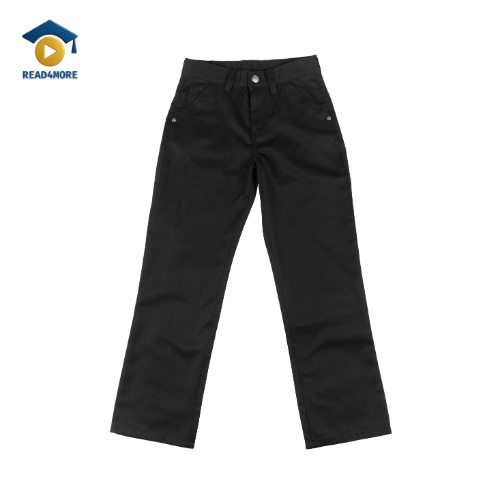
    trousersclothing worn on the legsI want some trousers.بنطال
    so soused to show something is not very good or bad– Do you like swimming? – So so.متوسط
    slipperssoft shoes worn indoorsI want some slippers.شبشب
    skirta piece of clothing worn from the waist downWe have nice dresses and skirts.تنورة
    shirta piece of clothing worn on the upper bodyI like this shirt, but do you have it in white.قميص
    pair of shoesfootwear worn on the feetI want a pair of shoes for work.زوج أحذية
    hatclothing worn on the headWe have new hats. Do you like this black hat?قبعة
    dressa one piece outfit for the bodyDo you like this dress?فستان
    anything elseused to ask if someone wants moreDo you want anything else?أي شيء آخر
    ×

    🎲 Write the words

    Hello.
    How are you today?
    I’m fine. Thank you. And you?
    I’m fine too.
    How can I help you?
    I want a t-shirt please.
    Of course. What size?
    Medium size.
    Perfect.
    Here’s a medium size t-shirt.
    This is great.
    Hmm. I need a shirt too.
    Sure. We have second hand shirts over there.
    Very good.
    I like this shirt.
    But do you have it in white?
    Of course.
    Here’s a white medium sized shirt.
    Anything else?
    Yes. I want some trousers.
    And a pair of shoes.
    Ah. I’m sorry.
    We’re out of medium size trousers.
    But we do have nice dresses and skirts.
    Very good.
    Do you have them in yellow?
    Sure. Do you like this yellow dress?
    Hmm. So so.
    How much is it?
    Hmm. It’s $25.
    That’s too much.
    I will not take it.
    I want a hat.
    And some slippers instead.
    Sure.
    We just got a new collection.
    It’s right over there.
    Great.
    Where can I try them on?
    The fitting room is right over there.
    I’ll take the shirt, the t-shirt, the shoes, and the slippers.
    What’s the total?
    It’s $100.
    $100. That’s too much.
    Can you do it for $70?
    Sorry. I cannot.
    The last price is $90.
    Can we meet in the middle at $80?
    The best price is $90.
    Okay. I’ll take them.
    Here’s the money.
    Thank you very much.
    Here you are.
    Have a nice day.
    Thank you. You too. Goodbye.
    Goodbye.

    Perform a shadow reading of the video

    Ask about each picture

    Buy a T-shirt from your classmate

    I know how to

    • ask for a T-shirt
    • tell the size
    • tell the colour

    🎥 Record a shadow reading of the video

    📤 Practice with ai in writing
    Click here

    📤 Answer the interactive video about Andy

  • Lesson 6 – Buy a T-shirt

    Lesson 6 – Buy a T-shirt

    New Skills

    • ✅ Buy a T-shirt

    Reviewed Skills

    • ✅ Haggle

    ConceptDefinitionExampleTranslation
    try onto put clothes on to see if they fitCan I try it on?يجرب
    T-shirta casual short sleeved topI want a T-shirt please.كنزة
    sizehow big or small something isI want small size.الحجم
    Medium-sizedbeing medium in sizeHere is a blue medium-sized T-shirt.متوسط الحجم
    liketo think something is goodDo you like this T-shirt?أحب
    in bluein the colour blueDo you have this T-shirt in blue?باللون الأزرق
    fitting rooma small room to try clothes inThe fitting room is over there.غرفة القياس
    ×

    🎲 Write the words

    Excuse me. I want a t-shirt, please.
    Hey, welcome. What size?
    Medium size.
    Okay. Do you like this t-shirt?
    Yes, but do you have it in blue?
    Of course. Here’s a blue medium size t-shirt.
    Can I try it on?
    Sure. The fitting room is over there.
    It’s good. How much is it?
    It’s $20.
    Can you do it for $15?
    I can do it for $19. It’s the last price.
    Let’s meet in the middle at $17.
    Sorry, I can’t. The best price is $19.
    Okay. I’ll take it. Here’s the money.
    Thanks. Here’s the t-shirt.
    Have a nice day.
    You too.

    Perform a shadow reading of the video

    Ask about each picture

    Buy a T-shirt from your classmate

    I know how to

    • ask for a T-shirt
    • tell the size
    • tell the colour

    🎥 Record a shadow reading of the video

    📤 Practice with ai in writing
    Click here

    📤 Answer the interactive video about Andy

  • Lesson 5 – Haggle

    Lesson 5 – Haggle

    New Skills

    • ✅ Haggle for the best price

    Reviewed Skills

    • ✅ Buy and sell and item

    ConceptDefinitionExampleTranslation
    sorryuse to show apology or regretI am sorry but I cannot pay more.آسف
    meet in the middleagree on a price between two offersLet us meet in the middle at twelve dollars.نلتقي في المنتصف
    last pricethe final price someone will acceptMy last price is ten dollars.السعر النهائي
    do itagree to buy or accept the offerI will do it now.افعلها
    best pricethe lowest price someone can offerIs this your best price?افضل سعر
    ×

    🎲 Write the words

    Excuse me. How much is this clock?
    Welcome. It is $15.
    Is it new or secondhand?
    It is new, of course.
    Does it have a warranty?
    Yes. Seven years.
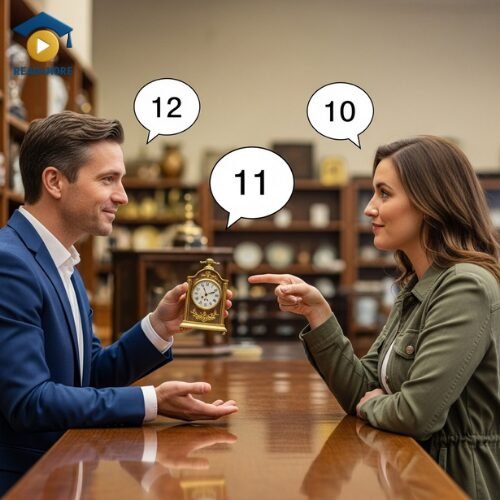
    Can you do it for $10?
    Sorry, I cannot. The last price is $14.
    It is too much. Can we meet in the middle at $12?
    The last price is $13.
    Is this the best price?
    Yes. It is the best price.
    Okay. I will take it. Here is the money.
    Thank you. Here is the clock.
    Thanks. Have a nice day.
    You too.

    Perform a shadow reading of the video

    Ask about each picture

    Listen to Paul and Andy and write the address and phone number.

    AndyPaul
    Address
    Phone

    I know how to

    • ask about the age
    • ask about the job
    • ask about the hobby

    🎥 Record a shadow reading of the video

    📤 Practice with ai in writing
    Click here

    📤 Answer the interactive video about Andy
  • Lesson 4 – Buy and Sell

    Lesson 4 – Buy and Sell

    New Skills

    • ✅ Buy and sell an item at the market

    Reviewed Skills

    • ✅ Greet and do a small talk

    ConceptDefinitionExampleTranslation
    Warrantya written promise that a product will be repaired or replaced if it breaksThis phone has a two year warrantyضمان
    Shopkeepera person who owns or manages a small shopThe shopkeeper sells many kinds of clocks.صاحب متجر
    Sellto give something in exchange for moneyShe sells clocks and watches.يبيع
    Second handnot new already used by someone elseHe bought a second hand phone.مستعمل
    Newnot old or usedThis is a new clock.جديد
    How muchused to ask the price of somethingHow much is this clockكم الثمن
    Excuse meused to get someone’s attention politelyExcuse me can you help meعفوا
    Customera person who buys goods or services from a shop or businessThe customer bought a new clock.عميل
    Clocka device that shows the timeThe clock on the wall is beautiful.ساعة
    Buyto get something by paying moneyHe wants to buy a new watch.يشتري
    ×

    🎲 Write the words

    Excuse me, how much is this clock?
    Welcome. It’s $15.
    Is it new or second-hand?
    It’s new, of course.
    Does it have a warranty?
    Yes, seven years.
    Okay, I’ll take it. Here’s the money.
    Thank you. Here’s the clock.
    Thanks. Have a nice day.
    You too.

    Perform a shadow reading of the video

    Ask about each picture

    Listen to the customer and shopkeeper and write the price, condition, and warranty of each item.

    Enhanced Audio Player
    PriceConditionWarranty
    Phone
    Laptop
    Headphones

    I know how to

    • ask about the price
    • ask about the condition
    • ask about the warranty

    🗣️ Record a shadow reading of the video

    📝 Write each glossary word in an example

    🎧 Complete the independent practice

  • Lesson 3 – Personal Info

    Lesson 3 – Personal Info

    New Skills

    • ✅ Give personal info (Address – Phone number – Marital Status)
    • ✅ Listen and get the personal info.

    Reviewed Skills

    • ✅ Greet and do a small talk (name – nationality – city – job – hobby)

    ConceptDefinitionExampleTranslation
    streeta public road in a city or townI live on KG 7 Street.شارع
    singlenot married or in a relationshipNo, I’m single.أعزب
    phone numbera sequence of numbers used to call someoneWhat’s your phone number?رقم الهاتف
    marriedhaving a husband or wifeAre you married?متزوج
    engagedhaving agreed to marry someoneI’m engaged.مخطوب
    citya large town where many people liveI live in Kigali City.مدينة
    buildinga structure with walls and a roofI live in Building 4.مبنى
    addressthe place where someone livesWhat’s your address?عنوان
    ×

    🎲 Write the words

    Are you married?
    No, I’m single. And you?
    I’m engaged. What’s your address?
    I live at House 2, KG 7 Street, Kigali City. And you?
    I live in Building 4, KG 3 Street, Kigali City. What’s your phone number?
    My phone number is 0796 688 188. And you?
    My phone number is 0796 328 410. See you soon.
    Goodbye.

    Perform a shadow reading of the video

    Ask about each picture

    Listen to Paul and Andy and write the address and phone number.

    AndyPaul
    Address
    Phone

    I know how to

    • ask about the age
    • ask about the job
    • ask about the hobby

    🎥 Record a shadow reading of the video

    📤 Practice with ai in writing
    Click here


  • Lesson 2 – Small Talk

    Lesson 2 – Small Talk

    New Skills

    • ✅ Talk about the age, job, and hobby.
    • ✅ Listen and get the name, nationality, city, age, job, and hobby.

    Reviewed Skills

    • ✅ Greet and introduce yourself
    • ✅ Talk about the origin and country

    ConceptDefinitionExampleTranslation
    yearA period of twelve months.I am 40 years old.سنة
    swimmingMoving through water using your body.I like swimming.سباحة
    readingLooking at and understanding written words.I like reading.قراءة
    oldHaving lived for a certain number of years.I am 35 years old.قديم
    nationalityThe country where a person comes from.What is your nationality? I am from the UK.جنسية
    managerA person who is in charge of a team or business.I am a manager.مدير
    jobThe work a person does to earn money.What is your job? I am a manager.وظيفة
    hobbyAn activity you do for fun in your free time.What is your hobby? I like reading.هواية
    businessmanA man who works in business.I am a businessman.رجل أعمال
    ×

    🎲 Drag the words

    Hi, what’s your name?
    Hello, my name’s Paul. And you?
    My name’s Andy.
    Where are you from?
    I’m from the UK. And you?
    I’m from the USA.
    Where do you live?
    I live in France. And you?
    I live in France too.
    How old are you?
    I’m 35 years old. And you?
    I’m 40 years old. What do you do?
    I’m a businessman. And you?
    I’m a manager. What’s your hobby?
    I like reading. And you?
    I like swimming.
    Nice to meet you.
    You too.

    Perform a shadow reading of the video

    Ask about each picture

    Listen to Paul.

    I know how to

    • ask about the age
    • ask about the job
    • ask about the hobby

    🎥 Record a shadow reading of the video

    📤 Practice with ai in writing
    Click here

    📤 Answer the interactive video about Andy

  • Lesson 1 Greeting

    Lesson 1 Greeting

    New Skills

    • ✅ Greet and say goodbye.
    • ✅ Introduce yourself and say where you live / which country you are from.

    ConceptDefinitionExampleTranslation
    yourbelongs to youWhats your name.خاصتك
    whereask about placeWhere are you from?أين المكان
    tooalsoNice to meet you too.أيضاً
    nice to meet youafter you meet someone for the first timeNice to meet you. Goodbye.سررت بلقائك
    namewhat people call youMy name is Sara.اسم
    mybelongs to meMy name is Mohammad.خاصتي
    liveto have your home in a placeI live in Spain.يعيش
    helloa word to greet someoneHello! How are you?مرحبا
    fromthe origin of a personIm from the USA.بالأصل من
    ×

    🎲 What’s this country

    Hi. What’s your name?
    Hello. My name’s Paul. And you?
    My name’s Andy. Where are you from?
    I’m from the UK. And you?
    I’m from the USA. Where do you live?
    Paul: I live in France. And you?
    Andy: I live in France, too. Nice to meet you.
    Paul: You too.

    Perform a shadow reading of the video

    Ask about each picture

    Ask about the name, origin, and country

  • ✈️ Lesson 10 – Because I Had Prepared – Past Perfect

    ✈️ Lesson 10 – Because I Had Prepared – Past Perfect

    🎯 Objectives

    New Objectives

    1. ✅ You will use the past perfect to show actions that happened before another past action, using because to connect ideas.
    2. ✅ You will use and understand the past perfect to tell a story.

    Reviewed Objectives

    1. ✅ Recycle phrasal verbs and airport vocabulary.

    ConceptDefinitionExampleTranslation
    with gracecalmly and politelyHe spoke with grace because he had practiced his English.برشاقة
    set asideto put something away or to the sideI had set my handbag aside while checking in.وضع جانباً
    reliefhappiness after a problem endsHe shouted with relief when the bag was found.ارتياح
    just a tada little; slightlyThe flight attendant frowned just a tad.قليلاً فقط
    in despairfeeling hopeless or very sadHe said in despair that his bag had gone missing.في يأس
    gone missingdisappearedMy bag had gone missing before I noticed.فُقد
    desperateneeding something urgentlyI was desperate for help when my bag was gone.يائس
    checked inregistered before travelingHe had checked in early before the problem started.تم تسجيل الوصول
    alignedarranged neatly in orderI had packed it so neatly — all my things aligned.محاذي
    ×

    🧊 WARM-UP — “Before That Moment…”

    1. Which previous lessons do you remember by looking at these pictures?
    2. What had happened before this moment?
      • Example: “I hadn’t been careful before I sprained my ankle”

    Pre-listening:

    • Have you ever lost something important while travelling?
    • How did you feel? worried, stressed, relieved, desperate.

    Watch the video and write a list of past perfect sentences

    Verse 1 – The Twist
    I had checked in early and smiled with pride,
    My luggage was ready, my stress set aside.
    Then the flight attendant frowned just a tad,
    “Excuse me, sir — where’s your handbag?” she asked.

    Chorus – The Panic
    “There seems to be a problem,” I said in despair,
    My bag had gone missing, it didn’t appear anywhere!
    I had packed it so neatly, my things all aligned,
    Now I was desperate for help — was I losing my mind?

    Chorus – The Relief
    I couldn’t put up with waiting all day,
    But when they brought it back, I shouted, “Hooray!”
    It had got me down earlier, now I could grin,
    My luggage was safe, and I could check in!

    Final Verse – The Reflection
    I thanked God I had learned English — it surely saved the day,
    I was able to explain the matter in a clear, calm way.
    I had practiced with Read4More, so I spoke with grace,
    If I hadn’t practiced, I’d have lost my place!
    1. Grammar focus:
      • Structure: had + past participle
      • Use: to show which action happened first in the past.
      • Connector: She was calm because he had practised English with Read4More.
    2. Model sentences from the song:
      • “I had checked in early because I wanted to relax.”
      • “I shouted with relief because I had got my luggage back.”
      • “I was able to explain everything because I had practised with grace.”

    🎲 Let’s play a game

    ✍️ INDEPENDENT PRACTICE — “The Day I Lost My …”

    Task:
    Rewrite the first verse to talk about something you lost

    Model:

    I had got a great present and smiled with pride,

    My friend’s birthday was ready, the presents aside.

    Then my friend stared at me, frowned just a tad,

    “Excuse me, pal — where’s my present?” he asked.

    🎙️ Extension:
    Record your verse as a short song

    Formative:

    • Mini quiz: Complete sentences with correct had + past participle.
    • H5P “fill the blanks” using song lyrics.

    Summative:

    • Written song graded for:
      • Correct use of past perfect
      • Logical cause–effect with because
      • Integration of new vocabulary
  • Lesson 10 – OET Writing: Problem → Action Sentences

    Lesson 10 – OET Writing: Problem → Action Sentences

    New Skills

    • ✅ Identify problem → action pairs in short clinical extracts (e.g., adverse effect → management step).
    • ✅ Convert case notes into concise OET-style sentences using the pattern:
      “The patient developed X after Y, so Z was done.”
    • ✅ Paraphrase verbs (developed, experienced, reported, advised, discontinued, referred).

    Reviewed Skills

    • ✅ Scanning medical texts for key details (dose, frequency, side effects, warnings).
    • ✅ Using precise medical vocabulary for problems and actions.
    • ✅ Linking cause and effect with after and so.
    • ✅ Writing in professional, factual past tense.

    WordSimple definitionExample
    developbegin to show a symptomThe patient developed dizziness after taking atenolol.
    discontinuestop a medicationAmoxicillin was discontinued due to swelling.
    withholdpause a medication temporarilyMetformin was withheld pending review.
    adviserecommend a course of actionThe patient was advised not to drive while drowsy.
    refersend to a specialist/serviceHe was referred to Cardiology after fainting.
    monitorwatch closelyBP was monitored after the dizziness occurred.
    adverse effectunwanted reaction to a treatmentNausea is a common adverse effect.
    allergic reactionbody’s immune response causing rash/swellingA rash may indicate an allergic reaction.

    Look at the following questions and answer:

    1. Why are short, factual sentences important in medical writing?
    2. In the model sentence below, which part shows the problem and which shows the action?
      • “The patient developed a rash after starting amoxicillin, so the drug was discontinued immediately.”
    3. Repeat the model sentence aloud, keeping the professional tone.

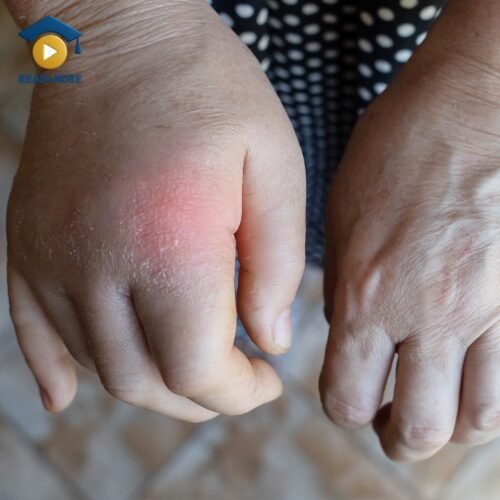
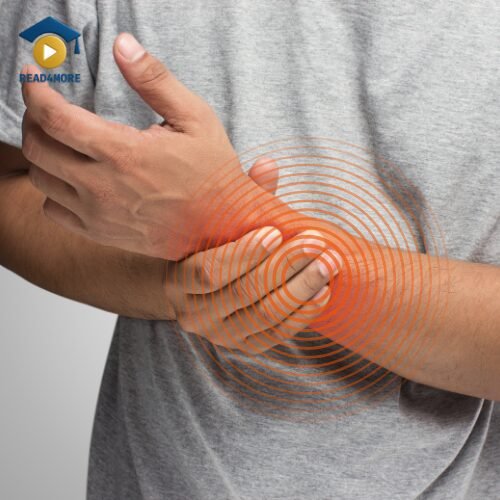
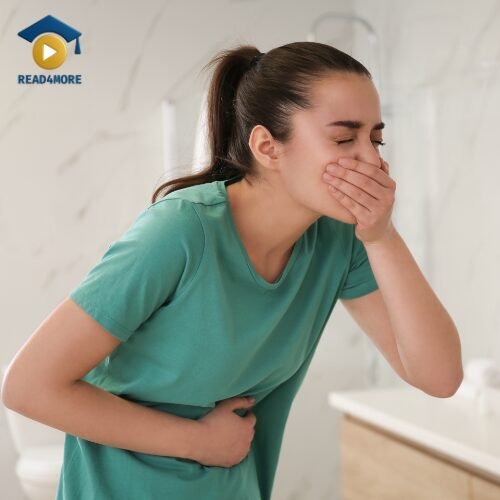
    (Show four pictures: rash, stomach pain, dizziness, drowsiness.)

    🎲 Let’s play a memory game

    Read the following mini case

    Mr. Lewis was prescribed ibuprofen 400 mg for back pain. On day 2, he developed stomach discomfort, so he was advised to take it with food.

    Hide it after 20 seconds.

    Students recall the problem and action, then try to reconstruct a sentence in the pattern.

    Compare with model answer.

    Repeat with another case, timing shorter each round.

    Step 1: Introduce the Sentence Pattern

    Write on the board:
    The patient + developed/experienced/reported + symptom + after + treatment, so + action.

    Step 2: Teacher Model (Amoxicillin)

    Read aloud extract, underline problem and action.
    Write model sentences with class.


    Extract 1 – Amoxicillin (Model)

    Mr. Brown was prescribed Amoxicillin 500 mg tds for a chest infection. After the first few doses, he reported nausea, so he was advised to take it with meals. On day 3, he developed a rash with swelling, so the amoxicillin was discontinued immediately.

    Model Answers:

    1. The patient developed nausea after starting amoxicillin, so he was advised to take it with meals.
    2. The patient developed a rash with swelling after starting amoxicillin, so the drug was discontinued immediately.

    Work as a class on Extract 2. Students identify two problems + two actions, then build sentences. Compare with model answers.

    Extract 2 – DrowsyLyn

    Ms. Patel (29) was prescribed DrowsyLyn 10 ml every 6 hours for cough. After the first doses, she experienced drowsiness, so she was advised not to drive. Later, she complained of dizziness, so she was advised to rest and avoid machinery.

    Model Answers:

    1. The patient developed drowsiness after starting DrowsyLyn, so she was advised not to drive.
    2. The patient developed dizziness after taking DrowsyLyn, so she was advised to rest and avoid operating machinery.

    Students complete Extracts 3–8 individually (12 sentences total). Pair-check answers, then teacher feedback.


    Extract 3 – Atenolol

    Mr. White (60) started Atenolol 50 mg daily for hypertension. Within a week, he developed dizziness, so the GP monitored his BP. A few days later, he had a fainting episode, so the atenolol was stopped and he was referred to Cardiology.

    Answers:

    1. The patient developed dizziness after starting atenolol, so his blood pressure was monitored.
    2. The patient fainted after taking atenolol, so the medication was stopped and he was referred to Cardiology.

    Extract 4 – Fluconazole

    Ms. Khan (45) was prescribed Fluconazole 150 mg weekly. After the first capsule, she reported stomach pain, so she was advised to avoid alcohol. Two days later, she developed severe abdominal pain, so she was told to contact her healthcare provider immediately.

    Answers:

    1. The patient developed stomach pain after starting fluconazole, so she was advised to avoid alcohol.
    2. The patient developed severe abdominal pain after taking fluconazole, so she was told to contact her healthcare provider immediately.

    Extract 5 – Ibuprofen

    Mr. Green (52) was prescribed Ibuprofen 400 mg every 8 hours for back pain. On day 2, he experienced stomach discomfort, so he was told to take the tablets with food. On day 3, he developed black stools, so he was sent for urgent medical review.

    Answers:

    1. The patient developed stomach discomfort after taking ibuprofen, so he was advised to take it with food.
    2. The patient developed black stools after taking ibuprofen, so he was referred for urgent medical review.

    Extract 6 – Cetirizine

    Ms. Jones (34) started Cetirizine 10 mg daily for hay fever. On the first evening, she felt drowsy, so she was advised to avoid driving. A few days later, she reported a dry mouth, so she was encouraged to increase fluids.

    Answers:

    1. The patient developed drowsiness after starting cetirizine, so she was advised not to drive.
    2. The patient developed a dry mouth after taking cetirizine, so she was encouraged to increase her fluid intake.

    Extract 7 – Metformin

    Mr. Ahmed (55) was commenced on Metformin 500 mg bd for type 2 diabetes. Soon after, he experienced diarrhoea, so he was told to take the tablets with meals. At follow-up, he reported abdominal cramps, so the GP considered a dose review and referral to the Diabetes Nurse.

    Answers:

    1. The patient developed diarrhoea after starting metformin, so he was advised to take it with meals.
    2. The patient developed abdominal cramps while on metformin, so the GP considered a dose review and referral.

    Extract 8 – Ciprofloxacin

    Ms. Li (38) was discharged with Ciprofloxacin 500 mg every 12 hours × 5 days. On day 2, she developed dizziness, so she was advised to take the tablets with plenty of water. Later, she reported skin sensitivity in sunlight, so she was told to avoid direct sun exposure.

    Answers:

    1. The patient developed dizziness after starting ciprofloxacin, so she was advised to take it with plenty of water.
    2. The patient developed skin sensitivity after taking ciprofloxacin, so she was advised to avoid direct sunlight.

    What did you learn?

    Which words showed the problem? Which words showed the action?

    Why is this style of writing useful in discharge and case notes?

    Student reflection: pick one sentence you wrote and improve it by making it shorter but still clear.

    Write 4 new Problem → Action sentences using cases from your own clinical experience OR create new examples (different drugs/symptoms).

    Record a 1-minute audio reading two of your sentences aloud.

    Submit for teacher feedback on tone, accuracy, and clarity.

  • Lesson 9 – OET Reading Part A: Medication Instructions & Side Effects

    Lesson 9 – OET Reading Part A: Medication Instructions & Side Effects

    New Skills

    • ✅ Skim and scan multiple short medical texts under strict time limits (OET Reading Part A).
    • ✅ Transfer key data (dosage, frequency, side effects, warnings) into a structured summary table accurately and quickly.
    • ✅ Complete an 18-question Part A mock in 12 minutes, using keyword underlining, prediction, and cross-checking strategies.
    • ✅ Produce two OET-Writing style sentences (Condition→Outcome; Recommendation/Next Step) based on reading outputs.

    Reviewed Skills

    • ✅ Accurate use of medical vocabulary for medications and adverse effects (S1–S6).
    • ✅ Clear, concise summarising aligned with OET task demands (selection of relevant details only).
    • ✅ Time management strategies for Part A (≈45 seconds per question).
    • ✅ Clarity and tone for OET letter language at sentence level (no full letters in this lesson).

    WordSimple definitionExample
    dosagethe amount of medicine you should take“The dosage is one 500 mg tablet three times daily.”
    frequencyhow often you take the medicine“The frequency is every 6 hours.”
    tabletsolid medicine you swallow“Swallow the tablet whole with water.”
    capsulemedicine in a soft gel shell“Fluconazole is a 150 mg capsule taken weekly.”
    syrupliquid medicine“DrowsyLyn is a cough syrup: 10 ml every 6 hours.”
    applyput medicine on the skin“Apply the cream to the rash twice daily.”
    swallowtake medicine down your throat“Swallow with or without food.”
    drowsinessfeeling sleepy from medicine“This syrup may cause drowsiness; do not drive.”
    allergic reactionbad body reaction (e.g., rash, swelling)“Stop amoxicillin immediately if a rash or swelling occurs.”


    nauseafeeling like you might vomit“Nausea is a possible side effect of fluconazole.”

    Look at each item and answer

    • Why is speed essential in OET Reading Part A?
    • Which two details on a prescription label most affect patient safety?
    • Repeat the model sentence: “If you can’t find the dosage in 10 seconds, change strategy and scan the headings.”

    🎲 Let’s play a memory game

    Memory sprint: Look at the label for 15 seconds

    List the five most important details you recall (dosage, frequency, side effects, warnings, duration).

    Bridge to today: “In Reading Part A you’ll do this repeatedly, fast. We’ll practice with tables and a timed mini-mock.”

    Extract 1 – Prescription Label (Amoxicillin)

    This prescription is for Amoxicillin 500 mg tablets, which the patient has been advised to take one tablet three times daily. The tablets must be swallowed whole with water and the full course should be completed over a period of seven days. The label highlights some possible side effects, which include rash, nausea, and diarrhoea. There is also a specific safety warning: if the patient develops a rash or swelling, they should stop the medication immediately, as this may indicate an allergic reaction.

    Questions

    1. Underline keywords in the question.
      • Q: “What is the dosage for Amoxicillin?” → Keywords: dosage, Amoxicillin
    2. Scan the text for matching forms/numbers/units.
      • Find: “Take ONE tablet three times daily (tds)” + “500 mg tablets”
    3. Answer succinctly (≤30s).
      • Answer:500 mg, three times daily (tds).”
      • Note: If asked only “dosage” without frequency, accept “500 mg”.

    Second quick demo (safety):

    • Q: “What should the patient do if a rash occurs?” → Scan for “rash” → “Stop immediately (possible allergic reaction).”

    Timing tip: Average ~45s per question across the set; move on if stuck, return later.

    Sentence Structure

    Pattern 1 – Condition → Outcome:

    The patient developed nausea after starting amoxicillin 500 mg tds.

    Pattern 2 – Recommendation / Next Step:

    Amoxicillin should be discontinued immediately if a rash or swelling develops, as this may indicate an allergic reaction.

    Read the extracts and fill in the table within 5 minutes.

    MedicationDosageFrequencySide Effect(s)Warning/Advice
    Amoxicillin
    DrowsyLyn
    Atenolol
    Fluconazole

    Extract 1 – Prescription Label (Amoxicillin)

    This prescription is for Amoxicillin 500 mg tablets, which the patient has been advised to take one tablet three times daily. The tablets must be swallowed whole with water and the full course should be completed over a period of seven days. The label highlights some possible side effects, which include rash, nausea, and diarrhoea. There is also a specific safety warning: if the patient develops a rash or swelling, they should stop the medication immediately, as this may indicate an allergic reaction.

    Extract 2 – Patient Information Leaflet (Cough Syrup: DrowsyLyn)

    The patient information leaflet for DrowsyLyn Cough Syrup (100 ml) provides detailed instructions for safe use. For adults, the recommended dose is 10 ml every six hours, while for children between the ages of six and twelve, the advised dose is 5 ml every eight hours. The syrup should always be taken with food, and patients must ensure they do not exceed a total of 40 ml in 24 hours. Reported side effects of this medication include drowsiness, a dry mouth, and dizziness. The warnings section is clear: patients should not drive or operate heavy machinery while taking the syrup, as it may cause excessive sleepiness. Furthermore, it is not suitable for children under six years of age.

    Extract 3 – GP Notes (Mr. White, 60 years)

    Mr. White, a 60-year-old patient, has been taking Atenolol 50 mg once daily to manage his hypertension. Since beginning this treatment, he has reported episodes of dizziness and has experienced two separate fainting incidents. Importantly, he has not reported any rash or nausea. In light of these side effects, the GP has advised him to stop taking the medication until a full review can be carried out. He has therefore been referred to a cardiologist for further assessment and management of his condition.

    Extract 4 – Discharge Summary (Ms. Khan, 45 years)

    Ms. Khan, a 45-year-old woman, was admitted with a skin infection and has now been discharged with a prescription for Fluconazole 150 mg capsules. She has been instructed to take one capsule weekly, swallowing it with water. The medication can be taken with or without food, depending on her preference. The discharge notes mention several common side effects, including nausea, stomach pain, and headache. Patients are advised to avoid alcohol while taking Fluconazole, as this can increase the risk of stomach upset and other complications. Additionally, if Ms. Khan develops severe abdominal pain, she must report this immediately to her healthcare provider. A follow-up appointment with her GP in two weeks has been arranged to monitor her recovery and the effectiveness of the treatment.

    Answer Key
    MedicationDosageFrequencySide Effect(s)Warning/Advice
    Amoxicillin500 mg, 1 tabletThree times daily (tds)Rash, nausea, diarrhoeaStop immediately if rash or swelling occurs (possible allergic reaction)
    DrowsyLynAdults: 10 ml; Children (6–12): 5 mlAdults: every 6 hours; Children: every 8 hoursDrowsiness, dry mouth, dizzinessTake with food; do not exceed 40 ml/24 hrs; do not drive or operate machinery; not for children under 6
    Atenolol50 mg, 1 tabletOnce daily (od)Dizziness, faintingStop medication; refer to Cardiology for specialist review
    Fluconazole150 mg, 1 capsuleOnce weeklyNausea, stomach pain, headacheAvoid alcohol; report severe abdominal pain; GP review in 2 weeks

    Answer the questions

    Complete the 18-question OET Reading Part A mock below in 12 minutes.

    Part A Mock – 18 Questions (use Extracts 1–4)

    Q1–4 (Fill-in-the-blank)
    1) The dosage for Amoxicillin is ______ mg, taken three times daily.
    2) The maximum daily amount of DrowsyLyn for adults is ______ ml.
    3) Atenolol was prescribed for ______.
    4) Fluconazole capsules should be taken ______ (with/without food).

    Q5–8 (Matching) — Match each with the correct side effect:
    A. Amoxicillin   B. DrowsyLyn   C. Atenolol   D. Fluconazole
    5) Causes drowsiness → ___
    6) May cause rash → ___
    7) Associated with fainting → ___
    8) Linked with stomach pain → ___

    Q9–12 (Short Answer)
    9) What should a patient do if they develop a rash while on Amoxicillin?
    10) Which medication is unsuitable for children under 6?
    11) Which drug requires referral to a cardiologist?
    12) What follow-up is recommended after Fluconazole treatment?

    Q13–16 (Sentence Completion)
    13) Patients taking DrowsyLyn must not ______.
    14) The duration of Amoxicillin treatment is ______.
    15) Ms. Khan should avoid ______ while on Fluconazole.
    16) Atenolol was stopped because the patient had ______.

    Q17–18 (Critical Scan)
    17) Which medication is taken weekly?
    18) Which extract includes the instruction to “swallow whole with water”?

    Answer Key

    • Table Fill (model answers)
      Amoxicillin — 500 mg | tds (3×/day) | Rash, nausea, diarrhoea | Stop if rash/swelling
      DrowsyLyn — 10 ml adult dose | q6h | Drowsiness, dry mouth, dizziness | No driving; not <6yo; max 40 ml/day
      Atenolol — 50 mg | od (daily) | Dizziness, fainting | Stop; refer to Cardiology
      Fluconazole — 150 mg | weekly | Nausea, stomach pain, headache | Avoid alcohol; report severe pain; GP review 2 weeks
    • Mock Qs: 1) 500   2) 40   3) Hypertension   4) With or without food   5) B   6) A   7) C   8) D   9) Stop immediately (possible allergy)   10) DrowsyLyn   11) Atenolol   12) GP review in 2 weeks   13) Drive or operate machinery   14) 7 days   15) Alcohol   16) Fainting episodes   17) Fluconazole   18) Amoxicillin

    Writing Language Focus (7–8 minutes)

    Using your answers, write two sentences:

    • Condition → Outcome: “The patient developed dizziness after commencing atenolol 50 mg od.”
    • Recommendation: “Referral to Cardiology is recommended due to recurrent fainting.”

    What did you learn?

    • Which scanning strategy saved you the most time today?
    • Give one reading detail and turn it into a Writing-style sentence (Condition→Outcome or Recommendation).

    📝 OET Reading Part A – Homework Practice (Set 2)

    Theme: Medication Instructions & Side Effects
    Time: 15 minutes
    Task: Read the extracts carefully and answer all 20 questions.


    🔎 Extracts

    Extract 1 – Prescription Label (Ibuprofen 400 mg tablets)

    This prescription is for Ibuprofen 400 mg tablets. The patient should take one tablet every 8 hours when required for pain, but no more than three tablets in 24 hours. The tablets should be swallowed with food to reduce stomach irritation. Common side effects include indigestion, stomach discomfort, and nausea. Patients are warned not to take the medicine on an empty stomach and to seek advice if they notice black stools or severe stomach pain.


    Extract 2 – Patient Information Leaflet (Antihistamine: Cetirizine 10 mg)

    The leaflet explains that Cetirizine 10 mg tablets are used to treat hay fever and allergies. The recommended dose for adults and children over 12 is one tablet once daily, preferably in the evening. For children aged 6–12, the dose is 5 mg twice daily. Reported side effects include drowsiness, dry mouth, and fatigue. The warnings advise patients not to exceed the stated dose, and those who feel sleepy should avoid driving or operating machinery.


    Extract 3 – GP Notes (Mr. Ahmed, 55 years)

    Mr. Ahmed, aged 55, has been on Metformin 500 mg twice daily for type 2 diabetes. At his recent consultation, he reported experiencing diarrhoea and mild abdominal cramps since starting the medication. He has not experienced nausea or vomiting. He was advised to continue the medication with meals to minimise stomach upset. The GP noted that if symptoms persist, the dosage may need to be adjusted and a referral to the Diabetes Specialist Nurse may be required.


    Extract 4 – Discharge Summary (Ms. Li, 38 years)

    Ms. Li, a 38-year-old patient, was admitted with a urinary tract infection and treated with Ciprofloxacin 500 mg tablets. On discharge, she was advised to take one tablet every 12 hours for 5 days. The notes specify that the tablets should be swallowed with plenty of water. Possible side effects include nausea, headache, and dizziness. Patients are warned to avoid excessive sunlight or tanning beds while taking the medication, as it may cause skin sensitivity. A follow-up with her GP was arranged after the course is completed.


    📖 Questions (20 items)

    A. Matching (Q1–6)

    Match the correct extract (1–4) to each detail.

    1. Advises patients to avoid excessive sun exposure → ___
    2. May cause diarrhoea and abdominal cramps → ___
    3. Taken once daily in the evening for adults → ___
    4. Warns about black stools as a possible complication → ___
    5. Dosage may need adjusting and referral to specialist → ___
    6. Maximum of three tablets in 24 hours → ___

    B. Short Answer (Q7–10)

    Answer in one to three words.

    1. What condition is Cetirizine mainly used to treat?
    2. For how many days should Ms. Li take Ciprofloxacin?
    3. What specialist may Mr. Ahmed be referred to?
    4. What is the total daily dose of Metformin?

    C. Sentence Completion (Q11–16)

    Use words from the extracts.

    1. Ibuprofen should be taken with ______ to reduce stomach irritation.
    2. Common side effects of Cetirizine include drowsiness, dry mouth, and ______.
    3. Patients on Metformin are advised to continue taking it with ______.
    4. Ms. Li’s Ciprofloxacin tablets must be swallowed with plenty of ______.
    5. Patients who feel sleepy while taking Cetirizine should avoid ______.
    6. Severe abdominal pain or black stools may indicate a complication from ______.

    D. Table Completion (Q17–20)

    Complete the missing details.

    MedicationDosageFrequencyOne Key Side EffectOne Warning/Advice
    Ibuprofen
    Cetirizine
    Metformin
    Ciprofloxacin

    ✅ Answer Key

    Matching (Q1–6):

    1. Extract 4 2) Extract 3 3) Extract 2 4) Extract 1 5) Extract 3 6) Extract 1

    Short Answer (Q7–10):
    7) Hay fever / allergies 8) 5 days 9) Diabetes Specialist Nurse 10) 1000 mg (500 mg × 2)

    Sentence Completion (Q11–16):
    11) Food 12) Fatigue 13) Meals 14) Water 15) Driving or operating machinery 16) Ibuprofen

    Table Completion (Q17–20):

    MedicationDosageFrequencyOne Key Side EffectOne Warning/Advice
    Ibuprofen400 mg, 1 tabletEvery 8 hours if neededIndigestionNot on empty stomach; max 3 tablets/day
    CetirizineAdults: 10 mg; Children 5 mgAdults: once daily; Children: twice dailyDrowsinessDo not exceed dose; avoid driving if drowsy
    Metformin500 mgTwice dailyDiarrhoeaTake with meals; may require referral
    Ciprofloxacin500 mg, 1 tabletEvery 12 hours for 5 daysHeadache / dizzinessAvoid sunlight; follow-up with GP
  • Lesson 9 – Polite Complaints

    Lesson 9 – Polite Complaints

    New Skills

    • ✅ Make polite, effective complaints
    • ✅ Perform a guest–receptionist roleplay

    Reviewed Skills

    • ✅ Use First/Second Conditionals to discuss hotel problems and solutions.
    • ✅ Recycle phrasal verbs in context: put up with, get away with, get on, wind up, get down.

    WordSimple definitionExample
    Complaint / ComplainComplaint: a statement that something is wrong. Complain: to say you are unhappy about it.Why don’t you try to make a complaint?
    People complain just about everything.
    famedwell-known; famous“The British are famed for their politeness.”
    It’s a …, but the problem is that …use this to give background before the issueIt’s a lovely room, but the problem is that the mini-bar is empty.”
    I was trying to …, but …use this to give background before the issueI was trying to make a cup of tea, but the kettle isn’t working.”
    There seems to …a polite way to say you think something is wrong“There seems to be a problem with the hot water.”
    There doesn’t seem to …soft way to say something isn’t working/there“The hot water doesn’t seem to be working.”
    I can’t seem to …polite way to say you are unable to do somethingI can’t seem to find any slippers in the room.”
    There appears to …another soft way to say you think there is a problem“There appears to be a problem with the hot water.”
    There doesn’t appear to …soft negative form with “appear”“There don’t appear to be any slippers in the room.”
    Polite but firmkind and respectful, but clear about what you need“Use what you’ve learned to choose the best option. Be polite but firm!”
    could someone have a lookpolite request for help“The TV doesn’t appear to be working. Could someone have a look?
    desperate forneeding something very much, almost urgentlyI was really desperate for a drink, but the minibar was empty.

    Look at each item and answer

    • What would you do if your hotel had terrible room service?
    • How long would you put up with no slippers or no hot water?

    🎲 Let’s play a memory game

    Match each problem (e.g., “no hot water”) with the best polite complaint using seem/appear.

    Watch the video and write a list of nouns and adjectives

    🎙️ Podcast Script – Read4More AcademyIntro 🎶 Light background music fades in 🎶 “Hello everyone, and welcome to Read4More Academy! This is your host [Name], and today’s episode is part of our series called Real Life Roleplays. These lessons help you practice the English you really need in everyday situations—whether you’re traveling, working, or just trying to get by in English-speaking places.In today’s episode, we’ll focus on a skill that is useful for all of us: making polite complaints. The British are famed for their politeness, but they also know how to be polite and firm. That’s exactly what we’re going to practice.”Transition to Roleplay 🎶 Music fades out 🎶 “Imagine this. You’ve just arrived at a hotel after a long trip. You open the door, put your bag down, and you’re desperate for a hot shower. But the water’s cold. What do you do?Do you shout at the receptionist? Probably not. Instead, you need to complain politely, but firmly, so that the problem is solved.”Roleplay 1: Hotel Reception 👤 Guest: ‘I’ve just checked into my room. It’s a lovely room, but the problem is that the shower doesn’t appear to be working.’ 👤 Receptionist: ‘I’m very sorry. I’ll send someone to have a look right away.’“Notice how the guest gave a little background first, and then softened the problem with the phrase doesn’t appear to be working. This makes the complaint sound less aggressive, but still clear.”Roleplay 2: Missing Items 👤 Guest: ‘I’ve just come back from dinner, but there don’t appear to be any slippers in my room. Could someone have a look?’ 👤 Receptionist: ‘Of course, I’ll send them up immediately.’“Again, the guest used softening language—don’t appear to be—and added a polite request: Could someone have a look? This is a good way to stay professional and effective.”Connection to Previous Lessons “Now, let’s connect this to what we’ve learned in earlier lessons. Remember our lesson on conditionals? You could say:If the TV didn’t work, I would ask for another room.If the wi-fi stopped working, I might go to a café instead.And think back to our phrasal verbs. We can also use them here:I couldn’t put up with cold water for more than one day.Sometimes hotels try to get away with poor service, but polite complaints help us stop that.If the air conditioning broke down, what would you do?These phrases recycle old vocabulary while giving you new, practical language.”Roleplay 3: Room Service Delay 👤 Guest: ‘Hi, I ordered a cherry pie from room service about half an hour ago, and I just wanted to check—has it been delayed?’ 👤 Receptionist: ‘I’ll check with the kitchen right away, thank you for your patience.’“Here, the guest gave background, explained the problem politely, and asked for help without being rude.”Wrap-Up 🎶 Soft outro music starts 🎶 “So today, we practiced how to complain in English—politely, but firmly. We learned useful phrases like: There seems to be a problem…, I can’t seem to…, and Could someone have a look? We also reviewed our conditionals and phrasal verbs to make our English richer and more natural.Your challenge: imagine one problem in a hotel or restaurant, and record yourself making a polite complaint using one softening phrase and one conditional sentence. Send it to us for feedback!That’s it for today’s Real Life Roleplay. Thanks for listening, and remember: at Read4More Academy, we help you read, speak, and live more in English. See you next time!”🎶 Outro fades out 🎶

    Write the list of nouns and adjectives in your notebook.

    Click to reveal the table
    Nouns (n.)Adjectives (adj.)
    mini-bar, kettle, slippers, hot water, receptionlovely, empty, cold, polite, firm
    room, bath, TV, problem, solutionbroken, missing, helpful, immediate, comfortable

    Sentence Structure

    Model pattern: Background + Problem (softened) + Request → “I’ve just arrived and unpacked. The TV doesn’t seem to be working. Could someone have a look?

    Describe each object

    Turn each picture prompt (kettle / slippers / shower / TV) into a polite complaint with one sentence of background and one softened problem (use seem to / appear to).

    Example: “I’ve just come back from dinner, but there don’t appear to be any slippers in my room.”

    Watch the 3D tour and answer the questions

    • Note three issues you notice in the “hotel room” and write a polite complaint for each (use at least one conditional).
    • Record a 30–45s voice note acting as the guest; include a clear request (e.g., “Could someone have a look?”).

    What did you learn?

    • Share one strong example of softening language you used today.
    • Finish the sentence: “If the problem continued, I would …” (use a conditional and one phrasal verb).

    🎥 Describe elements in your room

    Record a 60–90s podcast-style voice note: give a short background about your stay, then make two polite complaints using seem to / appear to. Include one conditional and one phrasal verb (e.g., put up with).

    📤 Send the video to your teacher for feedback.

  • Session 8 – Telephone Consultation and Advice

    Session 8 – Telephone Consultation and Advice

    Level: B1 (OET Medicine)
    Duration: 50 minutes
    Skills: Listening + Speaking + Writing
    Theme: Telephone consultations – urgent vs. non-urgent cases
    Scenario: Doctor/nurse taking patient details over the phone to assess urgency and decide on referral.


    New Objectives

    • Use clear telephone questioning to gather patient history.
    • Clarify and confirm patient information (e.g., spell out, repeat, confirm).
    • Ask about symptom onset and red flag indicators.
    • Summarise patient details clearly (OET Speaking criterion S4).
    • Decide and explain whether symptoms are urgent or non-urgent, and recommend follow-up or referral.

    Reviewed Objectives

    • Provide clear next steps (follow-up appointment, referral).
    • Form history-taking questions (S1).
    • Take accurate notes from spoken information (S4).
    • Use empathetic and supportive language when advising patients.

    WordDefinition (doctor-to-patient style)Example (from lesson context)
    urgentNeeds quick medical attention“This chest pain is urgent and needs immediate care.”
    non-urgentCan safely wait or be monitored“Your mild cough is non-urgent and can be reviewed later.”
    clarifyCheck that you understood correctly“Can I clarify if the pain started yesterday or today?”
    confirmMake sure details are correct“Let me confirm your address.”
    spell outSay each letter clearly“Could you spell out your surname?”
    repeatSay again for accuracy“Could you repeat the phone number, please?”
    symptom onsetThe time symptoms began“When was the onset of your headache?”
    red flagWarning sign of serious illness“Sudden chest pain is a red flag symptom.”
    follow-up appointmentLater consultation to check progress“I’ll arrange a follow-up appointment next week.”

    • Recall from Session 6: giving pre-procedure instructions. Ask: “How did you check the patient understood you?”
    • Today, we don’t see the patient face-to-face, so clear questioning and clarifying are even more important.
    • Quick discussion: “What makes telephone consultations more difficult than face-to-face?” (elicit: no visual cues, need to confirm spelling/details).
    • Review checking understanding: clarify, confirm, spell out, repeat.

    Listening Model (Adapted from OET Listening Part A)

    Listen for the key phrases

    • “Could you spell that out for me?”
    • “Can I confirm your address?”
    • “When did the swelling start?”
    • “This sounds urgent; you need immediate referral.”
    Enhanced Audio Player
    Transcript
    D: Good afternoon, this is Dr. Smith. Could you please tell me your full name?
    P: Yes, my name is Michael Green.
    D: Thank you, Mr. Green. Could you spell out your surname for me?
    P: G-R-E-E-N.
    D: Great, let me confirm your date of birth.
    P: 14th of August, 1975.
    D: Thank you. Now, can you tell me your main symptom?
    P: I’ve noticed swelling in my left leg since yesterday.
    D: When exactly was the symptom onset?
    P: It started yesterday morning and it’s been getting worse.
    D: Do you have any other problems, like shortness of breath or chest pain? These can be red flag symptoms.
    P: Yes, actually, I felt some tightness in my chest this morning.
    D: That sounds urgent. Because of your sedentary lifestyle and this new swelling, I need to write you a referral to the hospital immediately.
    P: Oh, is it serious?
    D: It might be, so I don’t want to take risks. Please go to the emergency department now. I’ll write a letter for you to take.
    P: Thank you, doctor.
    D: You’re welcome. We’ll also arrange a follow-up appointment after your hospital visit.

    Referral Letter

    10 February 2019

    The Emergency Department
    City Hospital
    Newtown

    Dear Doctor,

    Re: Mr Michael Green
    DOB: 14/08/75

    I am referring Mr. Michael Green, a 48-year-old office worker with a sedentary lifestyle, who presented during a telephone consultation today with acute symptoms requiring urgent assessment.

    Mr. Green reported swelling in his left leg which began yesterday morning and has worsened. Today, he also described chest tightness, which I consider a red flag symptom.

    Given the combination of lower limb swelling, sedentary lifestyle, and new chest discomfort, I am concerned about a serious underlying condition.

    I recommend that Mr. Green be seen urgently in the Emergency Department for immediate investigation and management.

    Yours sincerely,


    Dr Smith

    🎧 Listening Task – Guided Note Completion

    Listen for: patient’s name, DOB, symptom onset, urgency.

    1. Full Name: __________
    2. DOB: __________
    3. Symptom: __________
    4. Symptom onset: __________
    5. Lifestyle: __________
    6. Red flag: __________
    7. Urgency: __________
    8. Next step: __________

    Writing

    Rewrite the referral letter

    Role Play Cards

    Card 1 – Non-Urgent Case

    • Patient: Ms. Sara Brown, DOB 22/09/1985
    • Symptoms: Mild headache, no swelling, started 3 days ago
    • Lifestyle: Active
    • Red flags: None
    • Action: Non-urgent → give advice, schedule follow-up appointment

    Card 2 – Urgent Case

    • Patient: Mr. John White, DOB 10/01/1968
    • Symptoms: Severe chest pain, dizziness, onset 1 hour ago
    • Lifestyle: Smoker, sedentary
    • Red flags: Chest pain, dizziness
    • Action: Urgent → referral to Emergency Department

    Card 3 – Mixed Case

    • Patient: Mrs. Aisha Khan, DOB 05/05/1972
    • Symptoms: Swelling in ankle, started 2 days ago, mild discomfort
    • Lifestyle: Sedentary, overweight
    • Red flags: None today
    • Action: Non-urgent → benign swelling, follow-up appointment in 1 week

    Instructions:

    • Take accurate notes.
    • Give advice (urgent/non-urgent).
    • Write a short referral summarising the patient’s details.

    Listening Practice – OET Exam Listening Parts A and B

    📝 Part A Questions – Note Completion

    Complete the notes using information from the consultation. Write no more than three words for each answer.

    Patient Details

    • Name: ______
    • Age: ______

    Presenting Complaint

    • Symptom: ______ in right leg
    • Onset: ______
    • Additional symptoms: ______, ______

    Past Medical History

    • _______
    • _______

    Lifestyle

    • Mostly ______

    Doctor’s Concern

    • Possible ______
    • Risk: ______

    Management

    • Action: Call ______
    • Referral: ______

    PART B – Workplace Extracts

    (Two short recordings, each with one multiple-choice question.)

    Extract 1: Staff Meeting

    Question 1: What is the main concern of the nurse manager?
    A. Patients are arriving late for procedures.
    B. Patients are not following pre-procedure instructions.
    C. Staff are not giving correct medical advice.
    D. The operating theatre is short-staffed.

    Extract 2: Doctor Explaining Results

    Question 2: What is the doctor’s main purpose?
    A. To explain the side effects of treatment.
    B. To reassure the patient about their condition.
    C. To describe lifestyle changes for prevention.
    D. To discuss the risks of surgery.

    Can-do Checklist

    Each student performs one phone consultation (role play).

    Criteria: clarity, use of glossary, accurate note-taking, correct urgency decision, appropriate referral/follow-up.

    Self-reflection: Students share what language they used successfully (clarify, confirm, urgent/non-urgent).

    📤 Create your own lifestyle questionnaire and ask friends to answer it.

    🎥 Write a patient advice note with recommendations for each friend.

    Record a shadow reading of the video in the (Instruct and Model) section.

    Record your answer to the question in the (Independent Practice) section.

  • Session 6 – Pre-Procedure Instructions & Consent

    Session 6 – Pre-Procedure Instructions & Consent

    Level: B1 (OET Medicine)
    Duration: 50 minutes
    Skills: Listening + Speaking
    Theme: Pre-procedure instructions & informed consent
    Real-life Scenario: Doctor/nurse preparing a patient before a procedure


    New Objectives

    By the end of this session, you will be able to:

    ✅ Listen for key points in consent/pre-procedure instructions (OET Listening A/B style).

    ✅ Recognise and use modals of necessity (must, should, need to) in spoken communication.

    ✅ Paraphrase medical terms into layman’s language while speaking to patients.

    ✅ Practise role-play of giving instructions, checking understanding, and explaining risks.

    Reviewed Objectives

    ✅ Symptom description (S1).

    ✅ Giving advice with modals/imperatives (S2).

    ✅ Explaining medical terms in simple English (S3).

    ✅ Note-taking and clarity (S4).

    ✅ Empathetic communication & signposting (S5).

    WordSimple definitionExample (doctor → patient)
    consentagreement before a procedure“I need your consent before we start.”
    sedationmedicine to help relax/sleep during a procedure“You will get light sedation so you feel calm.”
    fastingnot eating or drinking for some time“You must fast for 6 hours before the test.”
    anaesthesiamedicine to block pain or make you sleep“The anaesthesia will stop you from feeling pain.”
    complicationunexpected medical problem“Bleeding is a possible complication, but it’s rare.”
    riskchance of harm“There is a small risk of infection.”
    recoverytime to heal after treatment“Recovery usually takes a few days.”
    preparationsteps to get ready“Preparation includes not eating after midnight.”
    restrictiona limit on activity“There will be movement restrictions after surgery.”
    sterilecompletely clean and germ-free“We use sterile equipment to avoid infection.”

    Recap:

    Before surgery, what instructions do patients usually get?

    Read this consent form. What happens if a patient doesn’t follow instructions?

    Listening Model (from OET Part A sample – post-op consultation).

    Enhanced Audio Player
    “Good morning, Mrs. Ahmed.
    First, let me explain what will happen before your procedure.
    One important point is fasting.
    This means you must not eat or drink anything for at least six hours before the test.
    In other words, please stop food and drinks after midnight if your appointment is in the morning.
    This fasting is necessary because having food in your stomach could cause problems with the sedation.”

    “Now, about the sedation.
    You will receive light sedation — that’s a small amount of medicine to help you feel calm and sleepy.
    You won’t be fully asleep, but you will be more relaxed.
    Because of this sedation, you should not drive afterwards.
    In fact, you will need a family member or friend to take you home safely.”

    “Next, let’s talk about risks and complications.
    The risk is very small, but I want you to be aware.
    For example, there is a slight chance of bleeding or infection.
    This is uncommon, but we always explain it clearly so you are informed.”

    “Finally, about recovery.
    Recovery is usually quick.
    Most patients feel normal again the same day, but I recommend you rest at home and avoid heavy activities.
    Your care plan will include follow-up instructions, and we will give you a number to call if you have any concerns.”

    “So, to summarise: you must fast for six hours, you will have light sedation, there is a small risk of bleeding, and recovery is usually fast.
    Does that make sense?
    Do you have any questions or worries about these instructions?”

    Listen to the audio of a doctor explaining procedures and giving instructions, and answer these questions:

    • In which parts did the doctor use signposting?
    • In which parts did the doctor use paraphrasing?
    • What are the 4 main points that the doctor discussed?

    Listen again and fill in the blanks

    Preparation

    • Patient must follow (1) ________ for at least 6 hours before the procedure.
    • Means: no (2) ________ or (3) ________ after midnight (if morning appointment).

    Sedation

    • Patient will receive (4) ________ to feel calm and sleepy.
    • Must not (5) ________ afterwards.
    • Needs a (6) ________ or friend to take her home.

    Risks/Complications

    • Small risk of (7) ________ or (8) ________.
    • These are (9) ________, but explained for patient’s awareness.

    Recovery

    • Recovery is usually (10) ________.
    • Patient should (11) ________ at home and avoid (12) ________ activities.
    • A (13) ________ will include follow-up instructions.
    • Phone number given if patient has (14) ________.

    Summary

    • Must fast, will have light sedation, small risk of complications, recovery normally quick.

    Answers

    Suggested answers:

    1. fasting
    2. food
    3. drinks
    4. light sedation
    5. drive
    6. family member
    7. bleeding
    8. infection
    9. uncommon
    10. quick
    11. rest
    12. heavy
    13. care plan
    14. concerns

    Paraphrase the following sentences using layman’s language:

    • One important point is fasting.
    • You will receive light sedation.
    • There might be some complications.
    • Recovery is usually quick

    Listen to a doctor giving pre-procedure instructions, and answer and fill in the gaps below.

    Listening Task – Endoscopy with Sedation

    Patient: Mr. Smith
    Doctor explains preparation, consent, risks, and recovery.


    Preparation

    • Must sign a (1) ________ form to show agreement.
    • Test uses a sterile (2) ________ to look inside the stomach.
    • Patient (3) ________ for six hours (no food/drink).
    • Fasting needed to prevent (4) ________ or food entering lungs.

    Sedation

    • Will receive (5) ________ (medicine to relax and feel sleepy).
    • Not full (6) ________ – patient will not be unconscious.
    • Patient must not (7) ________ afterwards.
    • Needs a (8) ________ or family member to go home.

    Risks/Complications

    • Small chance of (9) ________ or infection.
    • Rare complication: possible injury to the (10) ________.
    • Risks are (11) ________, equipment is sterile.

    Recovery

    • Should (12) ________ at home for the rest of the day.
    • Avoid (13) ________ activity until the next day.
    • Recovery is usually (14) ________.

    Care Plan

    • After procedure, vital signs checked on the (15) ________.
    • Patient will be (16) ________ the same day if stable.
    • Written instructions + (17) ________ given for concerns.
    • If swelling, stiffness or lump found, may send (18) ________ for biopsy.
    • Most lumps are (19) ________, not malignant.
    • May need (20) ________ form to a specialist if required.

    Suggested Answers:

    1. consent
    2. camera
    3. fast / fasting
    4. vomiting
    5. light sedation
    6. anaesthesia
    7. drive
    8. friend / wife / relative
    9. bleeding
    10. bowel
    11. rare
    12. rest
    13. heavy
    14. quick / fast
    15. observation chart
    16. discharged
    17. phone number
    18. sample / biopsy
    19. benign
    20. referral

    Doctor’s Role Card

    Setting: Outpatient clinic
    Patient: Coming for an endoscopy procedure with sedation

    Your tasks:

    • Obtain consent by explaining clearly what will happen.
    • ✅ Explain preparation: patient must follow fasting rules (no food/drink for 6 hrs).
    • ✅ Explain sedation: light medicine to relax, can’t drive after.
    • ✅ Mention possible risk/complication (small chance of bleeding or infection).
    • ✅ Reassure about recovery: usually quick, patient should rest at home.
    • ✅ Give care plan: follow-up instructions and phone number to call.
    • ✅ Use modals (must, should, may) and at least 5 glossary words (consent, fasting, sedation, risk, recovery, care plan, sterile, etc.).
    • ✅ Check understanding, invite questions, and paraphrase medical terms.

    Can-do Checklist

    ✅ Did you check patient understanding?

    ✅ Did you use modals correctly?

    ✅ Did you explain glossary words in patient-friendly English?

    📤 Create your own lifestyle questionnaire and ask friends to answer it.

    🎥 Write a patient advice note with recommendations for each friend.

    Record a shadow reading of the video in the (Instruct and Model) section.

    Record your answer to the question in the (Independent Practice) section.

  • Session 5 – Pain Assessment (Post-Surgery)

    Session 5 – Pain Assessment (Post-Surgery)

    Level: B1 (OET Medicine)
    Duration: 50 minutes
    Skills: Listening + Speaking
    Theme: Post-surgery pain assessment
    Real-life Scenario: A doctor/nurse assessing a patient’s pain after an operation

    Objectives (new)

    By the end of this session, you will be able to:

    • ✅ Ask questions about pain severity, frequency, and quality using comparatives/superlatives (e.g., milder, more severe, the worst).
    • ✅ Recognise and use common pain descriptors (dull, sharp, throbbing, stabbing, burning, excruciating).
    • ✅ Conduct a structured pain assessment using follow-up questions (location, onset, duration, impact).
    • ✅ Use OET-style empathetic communication (signposting, reassurance).


    (Reviewed Objectives: Symptom description from Session 1, lifestyle advice from Session 2, signposting and reassuring from Session 3, note-writing and passive voice from Session 4.)

    WordDefinition (doctor-to-patient)Example (from lesson)
    dullpain that is not sharp, more like an ache“Is it a dull ache or sharp pain?”
    sharpsudden, clear pain“The pain feels sharp when you move?”
    throbbingpain that comes in pulses“You may feel a throbbing pain after surgery.”
    stabbingpain like being poked with a knife“She described a stabbing pain in the wound.”
    burninghot, fiery pain“The patient reports a burning sensation.”
    excruciatingextremely severe pain“The pain was excruciating after movement.”

    Recap:

    What signposting language can you use?
    • “First, let me explain what the test showed …”
    • “What this means for you is that …”
    • “The good news is that …”
    • “It’s not dangerous, just some swelling.”
    Last time, we practised writing hospital notes. What information do doctors/nurses need before they write them?

    symptoms, pain, actions

    Watch


    Listen to the following audio of a nurse asking a patient about post-op pain (OET test audio).
    What types of words did the patient use to describe pain? How did the doctor respond?

    https://youtube.com/clip/UgkxC70oTD793DEnn6DnItQjw7NHnbRC_Nd2?si=9wNPJDeL_GMRIWBX

    Listening Model (from OET Part A sample – post-op consultation).

    Listen to the audio of a patient describing pain after surgery, and complete a short note-filling task (severity, location, duration).

    Listen to the consultation between a
    doctor and a postsurgery patient on the
    ward. Complete the patient chart with
    severity, location, duration.
    Good morning, Mrs. Lewis. You’ve been in
    the surgical ward for 3 days now. How
    are you feeling today?
    Honestly, doctor, the pain is still
    there. It feels sharp when I move, but
    at rest, it’s more of a dull ache.
    I see. Would you say the sharp pain is
    more severe than before or a little
    milder now?
    It’s definitely more severe when I try
    to stand up. Yesterday it was moderate,
    but today I’d call it severe. At night,
    it was almost excruciating.
    I’m sorry to hear that. Can you describe
    the frequency of the pain? Is it
    constant or does it come and go?
    It’s mostly constant, but sometimes it feels
    throbbing, almost like a heartbeat in
    the wound. Once or twice, I had a sudden
    stabbing feeling when I coughed. And do
    you feel any burning sensation?
    Yes, occasionally it feels burning,
    especially around the stitches.
    Thank you for explaining that. I can see
    some swelling, but the lump is benign,
    so there’s no sign of infection or
    anything dangerous. The note has already
    been written in your observation chart.
    That’s a relief.
    You also mentioned stiffness in your
    leg. Is it worse than before?
    Yes, the stiffness is worse than
    yesterday.
    Okay, I’ll update your care plan. First,
    let me explain what this means. The pain
    is unpleasant, but it’s normal at this
    stage after surgery. The good news is
    that with physiootherapy and medication,
    it should gradually improve. What this
    means for you is that we’ll continue
    monitoring your pain closely and adjust
    the treatment if necessary.
    Thank you, doctor.
    You’re welcome. We’ll meet again
    tomorrow to check your progress.

    Grammar/Functional Focus:

    • Comparatives/superlatives: “Is the pain getting worse or better?” / “Is this the most severe pain you’ve had?”
    • Follow-up questions: “Can you tell me when it started?”, “Does it stay constant or does it come and go?”

    Patient Notes – Mrs. Lewis

    Background

    • On surgical (1) _______ for 3 days
    • Reports pain after operation

    Pain description

    • At rest: feels (2) _______ ache
    • On movement: feels (3) _______ pain
    • Severity yesterday: (4) _______
    • Severity today: (5) _______
    • At night: (6) _______ pain

    Frequency/Quality

    • Pain is mostly (7) _______
    • Sometimes feels (8) _______
    • Sudden (9) _______ pain when coughing
    • Occasional (10) _______ sensation near stitches

    Other symptoms

    • Some (11) _______ observed, but lump is (12) _______
    • Reports increased (13) _______ in leg

    Plan

    • Pain is unpleasant but normal at this stage
    • Progress will be (14) _______
    • Physiotherapy and medication to continue

    Teacher’s Answer Key

    1. ward
    2. dull
    3. sharp
    4. moderate
    5. severe
    6. excruciating
    7. constant
    8. throbbing
    9. stabbing
    10. burning
    11. swelling
    12. benign
    13. stiffness
    14. monitored

    Role-play (Doctor–Patient)

    • Location: “Where exactly is the pain?”
    • Severity: “On a scale of 1–10, how bad is it?”
    • Frequency: “Does it come and go or is it constant?”
    • Type: “Is it sharp, dull, or burning?”

    Listening

    Listen to another short patient extract (OET Part A/B) and complete a pain chart (severity, frequency, quality). Then, write 3 follow-up questions you would ask this patient.

    Can-do Checklist

    ✅Use at least 3 pain descriptors.

    ✅Ask 1 comparative/superlative question.

    ✅Show empathy (“I understand this must be difficult…”).

    📤 Create your own lifestyle questionnaire and ask friends to answer it.

    🎥 Write a patient advice note with recommendations for each friend.

    Record a shadow reading of the video in the (Instruct and Model) section.

    Record your answer to the question in the (Independent Practice) section.

  • Session 4 – Hospital Instructions & Notes

    Session 4 – Hospital Instructions & Notes

    Level: B1 (OET Medicine)
    Duration: 50 minutes
    Skills: Reading + Writing
    Theme: Ward instructions & care plans
    Real-life Scenario: A nurse preparing handover notes at the end of a hospital shift

    Objectives (new)

    By the end of this session, you will be able to:

    • ✅ Read and extract info from ward instructions and hospital memos (OET Reading Part B style).
    • ✅ Write a clear, structured nursing/doctor handover note using passive voice.

    Objectives (reviewed)

    • ✅ Use imperatives and modals to give advice (Session 2).
    • ✅ Explain medical information in simple, patient-friendly language (Session 3).
    • ✅ Describe symptoms using terms like chronic, persistent, and acute (Session 1).

    ward – hospital area where patients stay
    Example: The patient was kept in the surgical ward overnight.

    shift – work period for hospital staff
    Example: Vital signs were recorded during the night shift.

    admission – when a patient enters hospital
    Example: She was admitted yesterday for observation.

    discharge – when a patient leaves hospital
    Example: The discharge papers were prepared by the doctor.

    observation chart – sheet for recording vital signs
    Example: The blood pressure was written on the observation chart.

    mobility – ability to move/walk
    Example: Reduced mobility was noted in the care plan.

    referral form – paper sent to another doctor/service
    Example: A referral form was completed for physiotherapy.

    care plan – written plan for patient’s treatment
    Example: Daily physio sessions were included in the care plan.

    vital signs – key body measures (BP, pulse, temp)
    Example: The vital signs were checked every 4 hours.

    Recap: What can you now do after Sessions 1–3?

    Describe symptoms, give lifestyle advice, and explain tests.

    How does the staff receive instructions in a hospital?

    Reading

    Check the following hospital notice. Who writes this? Who reads it? What type of language is used?

    Hospital Notice: Vital Signs Monitoring and Escalation

    Scope: All inpatient wards
    Effective: Immediately

    1. Frequency
      Vital signs (temperature, pulse, respiration, blood pressure, and oxygen saturation where applicable) must be recorded at least every four (4) hours unless a doctor has documented a different schedule in the care plan.
    2. Documentation
      All readings must be entered clearly and legibly on the Observation Chart, with date, time, and staff signature/ID for each set.
    3. Abnormal Readings
      If any parameter is outside the normal range, recheck within 15 minutes. If the abnormality persists or the patient’s condition deteriorates, notify the responsible doctor immediately and escalate via the early warning system (MEWS/NEWS as per hospital policy).
    4. Oxygen/Interventions
      If oxygen therapy or other interventions are started, document the indication, settings, and patient response on the Observation Chart and in the nursing notes.
    5. Handover
      Highlight significant changes and any pending reviews during shift handover.

    Accountability: Nurse-in-charge of shift
    Reviewed by: Infection Control & Patient Safety Committee (annual review)

    Read this handover note. Highlight imperative verbs: Monitor, Record, Refer, Discharge. Note and circle key terms.

    Nursing Handover Note – Ward 3B
    Patient: Mr. John Smith, 67 yrs (admitted with pneumonia)
    Date/Time: 22 Aug 2025, 07:00 hrs

    • Observations: Temp 37.8°C, BP 138/84, HR 92, SpO₂ 95% RA
    • Plan: Monitor vital signs every 4 hrs and record on obs chart.
    • If temp ≥ 38.5°C or SpO₂ ≤ 92%, notify MO immediately.
    • Patient mobilising with assistance; maintain IV antibiotics as charted.
    • Discharge planning: referral form sent to physiotherapy; awaiting review.

    RN Signature: ____________________

    Writing

    Example handover: “Patient admitted at 07:00, stable vital signs, mobility limited, referral to physio sent. Discharge planned for tomorrow.”

    Structure: Admission → Current status → Actions → Next steps.

    Read and answer

    If a patient’s vital signs fall outside the normal range, staff must:
    A. notify the next shift staff.
    B. record them on the observation chart and monitor closely.
    C. repeat the measurement, document it, and notify the doctor.

    Ward Observation Policy

    All admitted patients must have their vital signs (temperature, pulse, respiration, and blood pressure) checked and recorded on the observation chart every four hours unless otherwise directed by a doctor.
    If any results are abnormal, staff should repeat the measurement within 15 minutes. If the abnormality persists, the responsible doctor must be notified immediately.
    Failure to report significant changes in a patient’s condition during your shift may delay treatment and compromise patient safety.

    Read the following case and write a handover note

    Ward: 2A – Medical
    Patient: Mrs. Helen Brown, 72 yrs
    Admission: 21 Aug 2025, 15:00 hrs – admitted with chronic heart failure
    Observation Chart:

    • Temp 36.9°C, BP 150/90, HR 88, SpO₂ 94% on RA
      Mobility: Needs walking frame, short distances only
      Care Plan:
    • Monitor vital signs every 4 hrs
    • Low-salt diet, fluid restriction
    • Continue prescribed medications (diuretics)
      Referral: Cardiology team review requested
      Discharge: Expected in 2–3 days, home with community nurse follow-up

    Complete the handover note

    Patient ….. yesterday with …….. Current ……… stable. Mobility limited, walking frame required. …… includes fluid restriction, low-salt diet, and 4-hourly observations. ………. to cardiology sent; awaiting review. ………… in 2–3 days.

    Read the case

    Ward: 5C – Surgical
    Patient: Mr. Daniel Lee, 54 yrs
    Admission: 23 Aug 2025, 10:30 hrs – admitted for benign prostate enlargement
    Observation Chart: Temp 37.1°C, BP 132/80, HR 84, SpO₂ 97% RA
    Mobility: Independent, walks unassisted
    Care Plan:

    • Monitor vital signs 4-hourly
    • Encourage oral fluids
    • Pain management with paracetamol as charted
      Referral: Urology follow-up arranged
      Discharge: Planned for tomorrow morning if stable

    Write a handover note:

    …………………………………………………………….

    Can-do Checklist

    ☑ Used passive voice to highlight the object.

    ☑ Wrote a short, clear handover note.

    ☑ Recycled at least 5 glossary words.

    📤 Create your own lifestyle questionnaire and ask friends to answer it.

    🎥 Write a patient advice note with recommendations for each friend.


    Write a handover note for every case in the lesson.

  • Session 3 – Explaining Medical Tests and Communication

    Session 3 – Explaining Medical Tests and Communication

    Level: B1 (OET Medicine)
    Duration: 50 minutes
    Skills: Listening + Speaking
    Theme: Explaining diagnostic tests/results – ultrasound
    Real-life Scenario: Doctor explains test results (ultrasound, blood tests) to a patient, using patient-friendly language and reassurance.

    Objectives (new)

    By the end of this session, you will be able to:

    • ✅Identify key details from patient consultations about diagnostic tests (Listening).
    • ✅Paraphrase medical terms into patient-friendly language (Speaking).
    • ✅Use signposting and reassurance when explaining results to patients.
    • ✅Answer patient questions clearly and empathetically.

    ConceptDefinitionExampleTranslation
    yearA period of twelve months.I am 40 years old.سنة
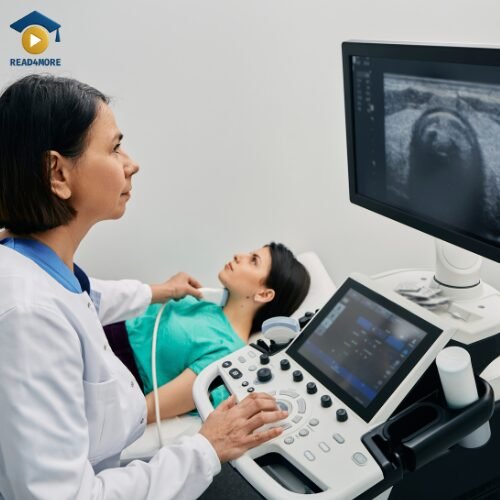
    ultrasounda test using sound waves to see inside the bodyThe ultrasound showed that the swelling is not serious.موجات فوق صوتية
    streeta public road in a city or townI live on KG 7 Street.شارع
    specialistdoctor with extra training in one areaYou’ll see a heart specialist for this condition.أخصائي
    signposting phrasewords doctors use to explain information clearly and guide patientsFirst, let me explain what the test showed …عبارات إرشادية
    referralsending a patient to another doctorI’ll give you a referral to a specialist for more tests.تحويل
    oldHaving lived for a certain number of years.I am 35 years old.قديم
    nationalityThe country where a person comes from.What is your nationality? I am from the UK.جنسية
    malignantcancerous, dangerous growthThe test showed the tumour is malignant, so we’ll treat it quickly.خبيث
    jobThe work a person does to earn money.What is your job? I am a manager.وظيفة
    inflammationswelling and redness in the bodyThe joint pain is from inflammation, but it’s not dangerous.التهاب
    engagedhaving agreed to marry someoneI’m engaged.مخطوب
    citya large town where many people liveI live in Kigali City.مدينة
    cholesterolfat in the blood that can block vesselsYour cholesterol is a bit high, so we’ll talk about diet.كوليسترول
    blood counttest that checks the number of cells in bloodWe did a blood count to see if you have an infection.تعداد دم
    benignnot dangerous, not cancerThe lump is benign, so there’s no need to worry.حميد
    abnormalnot normalThe scan found something abnormal in the stomach.غير طبيعي
    ×

    Recap Session 1 and 2:

    • How can you give advice to patients.
    • How can you describe the severity and frequency of a symptom?

    Have you ever had a medical test explained to you? How did you feel about it?

    What do you think a doctor might say to a patient about this test?

    Listening Input – listen for test references

    You hear a general practitioner talking
    to a patient called Mrs. Lewis who has
    recently undergone an ultrasound and
    some blood tests. For questions 1
    through 12, complete the notes with a
    word or short phrase that you hear.
    Good morning, Mrs. Lewis. Let’s go over
    the results of the tests you had last
    week.
    Yes, doctor. I’ve been worried about
    what they might show.
    First, let me explain what the test
    showed. The ultrasound found a small
    abnormal lump in your lower abdomen. The
    good news is that it is benign, not
    malignant. So, it’s not cancer, and it’s
    not dangerous.
    That’s a relief.
    What this means for you is that we’ll
    monitor it closely, but there’s no
    immediate need for surgery. I’ll give
    you a referral to a specialist just so
    we can double check and be absolutely
    sure.
    Okay. Thank you. We also did a blood
    count and a cholesterol test. The blood
    count was normal, but your cholesterol
    is higher than it should be. Having high
    cholesterol can lead to severe heart
    disease. Combined with your sedentary
    lifestyle and family history, it
    increases the chance of problems later
    on.
    I see. Is that serious?
    Not right now, but it’s important to act
    early. I recommend reviewing your
    dietary intake. For example, try
    reducing portion sizes of fatty foods
    and increasing your hydration. You
    should do moderate exercise such as a
    30inut walk every day. This will reduce
    stiffness in your joints and lower
    inflammation.
    I think I can manage that.
    Excellent. You should also avoid smoking
    if you do, and you can try cutting down
    on alcohol consumption. These changes
    along with the referral will help keep
    everything under control.
    Thank you for explaining it so clearly.
    You’re welcome. The good news is that
    nothing here is life-threatening. And
    with some small lifestyle changes, you
    can improve your health significantly.
    We’ll meet again after the specialist

    Paraphrasing

    • “Your cholesterol levels are high” → “There is too much fat in your blood.”
    • “The inflammation is benign” → “It’s not dangerous, just some swelling.”

    Signposting phrases

    • “First, let me explain what the test showed …”
    • “What this means for you is that …”
    • “The good news is that …”

    Listening task: Patient: Mrs Lewis

    Test Results
    • Ultrasound showed a small (1) ______ lump
    • Doctor reassures it is (2) ______, not malignant
    • Doctor provides a (3) ______ to confirm with a specialist

    Blood Tests
    • (4) ______ test normal
    • (5) ______ test high
    • High cholesterol can (6) ______ heart disease

    Lifestyle Factors
    • Patient has a (7) ______ lifestyle
    • Family history adds to the (8) ______

    Advice Given
    • Review (9) ______ intake and reduce portion sizes
    • Increase (10) ______ and do moderate exercise
    • Exercise helps reduce (11) ______ in joints and lower inflammation
    • Doctor also advises cutting down on (12) ______ consumption

    Answers
    1. abnormal
    2. benign
    3. referral
    4. blood count
    5. cholesterol
    6. lead to (severe)
    7. sedentary lifestyle
    8. chance of problems
    9. dietary
    10. hydration
    11. stiffness
    12. alcohol

    Speaking role-play (with prompts):

    • Explain ultrasound results to a patient
      • First, let me explain …
      • The ultrasound showed …
      • The good news is that …
      • What that means for you is that …
      • The blood test showed that …
    • Respond to the questions:
      • Is it dangerous?
      • Do I need surgery?

    Quick Checklist – Did you:

    • ✅ Use paraphrasing terms
    • ✅ Reassure the patient
    • ✅ Use new glossary words

    Explain the test result

    You should:
    ✅Explain in patient-friendly words.
    ✅Use at least one signposting phrase.
    ✅Reassure the patient.

    Can-do Checklist

    ✅Correct paraphrasing
    ✅Reassurance + empathy
    ✅Clear structure with signposting

    📤 Create your own lifestyle questionnaire and ask friends to answer it.

    🎥 Write a patient advice note with recommendations for each friend.

    Record a shadow reading of the video in the (Instruct and Model) section.

    Record your answer to the question in the (Independent Practice) section.

  • Lesson 2 – Lifestyle Factors: Patient Forms & Advice

    Lesson 2 – Lifestyle Factors: Patient Forms & Advice

    Level: B1 (OET Medicine)
    Duration: 50 minutes
    Skills: Reading & Writing
    Theme: Lifestyle factors – identifying risks & giving recommendations
    Real-life Scenario: A GP reviewing a patient form and writing lifestyle advice

    Objectives (new)

    By the end of this session, you will be able to:

    • Write notes about lifestyle-related risk factors using gerunds
    • Write clear lifestyle recommendations using imperatives and modal verbs.
    • Use patient-friendly vocabulary to advise on diet, exercise, and lifestyle.

    Objectives (reviewed from Session 1):

    • Describe symptoms using severity (mild, moderate, severe/acute) and frequency (intermittent, constant/persistent, chronic) vocabulary.
    • Ask about frequency (How often, how many times a day/week).

    ConceptDefinitionExampleTranslation
    smoking cessationstopping smokingWe recommend smoking cessation support groups.الإقلاع عن التدخين
    sedentary lifestylesitting too much, not activeWorking at a desk all day leads to a sedentary lifestyle.أسلوب حياة خامل
    risk factorsomething that increases chance of illnessSmoking is a major risk factor for heart disease.عامل خطر
    portionthe amount of food served at one timeTry to reduce your portion size at dinner.حصة طعام
    moderate exercisesafe, regular physical activityWalking 30 minutes a day is moderate exercise.تمارين معتدلة
    hydrationkeeping the body supplied with waterGood hydration helps kidney health.ترطيب الجسم
    dietary intakethe food and drinks a person usually hasHis dietary intake includes too much sugar.المدخول الغذائي
    alcohol consumptionhow much alcohol someone drinksHer alcohol consumption is higher than safe limits.استهلاك الكحول
    ×

    Recap Session 1:

    • How do you ask about frequency?
    • How can you describe the severity and frequency of a symptom?

    Last time, we asked about and described symptoms. Today, we’ll look at lifestyle factors that affect health and how doctors give advice.

    What lifestyle questions do doctors usually ask?

    Reading Input – Patient Lifestyle Form

    Scan the following lifestyle questionnaire and look for key risk factors.

    Doctor notes identifying key risk factors

    • Physical activity: sits 12 hours a day → sedentary lifestyle
    • Sleep routine: persistent late bedtime → fatigue and weakness
    • Diet: lots of snacks → overweight and obesity
    • Diet: poor dietary intake → underweight
    • Smoking: 10 cigarettes/day → severe lung diseases

    Write a note about the risk to the patient

    • Sitting 12 hours a day constantly can lead to a sedentary lifestyle and severe stiffness.
    • Sleeping late persistently can lead to moderate fatigue and weakness.
    • Eating large portions and lots of snacks can lead to obesity.
    • Smoking can lead to chronic lung diseases and dehydration.

    Pronunciation focus:

    • sedentary (/ˈsed.ən.tər.i/) → stress on sed
    • portion (/ˈpɔːr.ʃən/)
    • hydration (/haɪˈdreɪ.ʃən/)

    Grammar & Functional Language – Giving Advice (polite vs direct)

    • Imperatives:
      • Eat more vegetables.
      • Avoid snacks.
      • It’s important to ______.
    • Modals:
      • You should reduce alcohol.
      • You must stop smoking.
      • You could try walking after work.

    Take one factor from the doctor notes and write advice:

    • Sitting 12 hours a day can lead to a sedentary lifestyle. You should do moderate exercise.
    • Sleeping late can lead to fatigue and weakness. You could try sleeping early and reducing screen time before bedtime.

    Read a second patient form and highlight risk factors

    Fill in a chart in your notebook

    Lifestyle Factor → Risk → Advice

    Transform chart notes into recommendations

    • ______ can lead to (severity) (risk). You should ______.
    • ______ can lead to (severity) (risk). It’s important to ______.
    • ______ can lead to (severity) (risk). Try to ______.

    Example:

    No exercise → sedentary lifestyle → do moderate exercise

    Written recommendation:
    Not exercising can lead to persistent stiffness. You should do moderate exercise at least 3 times per week.

    Write a short paragraph (4–5 sentences) giving lifestyle advice to the patients (Fiona Packer and Simon Smith). Must include:

    • at least 4 glossary terms (new/reviewed)
    • at least 3 imperatives/modals
    • at least 3 gerunds
    Example Paragraph

    Your lifestyle shows several risk factors. Smoking can lead to severe lung disease. You must stop smoking and try smoking cessation support. Drinking alcohol can lead to severe health problems. Reduce alcohol consumption to safe limits.

    Can-do Checklist

    ☐ Use gerunds to begin sentences.
    ☐ Write advice using modals and imperatives.
    ☐ Write a 4-line paragraph about risk factors and advice.
    ☐ Choose patient-friendly words.
    ☐ Avoid grammar and spelling mistakes.

    📤 Create your own lifestyle questionnaire and ask friends to answer it.

    🎥 Write a patient advice note with recommendations for each friend.

  • Lesson 1 – Patient History & Symptom Description

    Lesson 1 – Patient History & Symptom Description

    Level: B1 (OET Medicine)
    Duration: 50 minutes
    Skills: Listening & Speaking
    Theme: Patient consultations – history taking
    Real-life Scenario: GP with new patient reporting multiple symptoms

    New Skills

    By the end of this session, you will be able to:

    • ✅Form and use history-taking questions to elicit relevant patient information.
    • ✅Describe symptoms accurately using severity (e.g., mild, severe) and frequency (e.g., intermittent, persistent) language.
    • ✅Identify key details from patient consultation recordings (OET-style Part A listening).

    ConceptDefinitionExampleTranslation
    tinglingslight prickling feeling“There’s tingling in my calves.”وخز
    swellingenlargement of a body part due to fluid“There is swelling around the knee joint.”تورم
    stiffnessdifficulty moving a joint“I wake up with stiffness in my neck.”تيبس
    radiating painpain spreading from one area to another“The pain is radiating down my leg.”ألم ممتد
    persistentnot going away“The swelling is persistent despite treatment.”مستمر
    onsetthe start of a symptom“The onset was about a month ago.”بداية
    nauseafeeling you might vomit“I had nausea after the medication.”غثيان
    intermittenthappening sometimes, not all the time“The pain is intermittent—it comes and goes.”متقطع
    chroniclasting a long time“I’ve had chronic back pain for over a year.”مزمن
    acutesudden and severe“It started as acute pain after lifting a suitcase.”حاد
    ×

    Watch a short video clip of a doctor asking history-taking questions. Was this a good history taking? Why?

    Today we’ll try to do a better job as a practitioner.

    Display & Elicit Meaning

    • Which of these describe when a symptom started?”
      onset, acute, chronic
    • Which describe how often a symptom occurs?
      persistent, intermittent
    • Which describe type/location of pain?
      radiating pain, stiffness, swelling, tingling
    • Which describe other sensations?
      nausea, intermittent, onset

    Grammar & Functional Language for History-Taking

    1. When questions (onset)
      • “When did the pain start?” (Past simple)
      • “How long have you had it?” (Present perfect)
    2. Frequency questions
      • “How often do you get the symptoms?”
      • “Are they constant or intermittent?”
    3. Severity questions
      • “On a scale from 1 to 10, how bad is the pain?”
      • “Would you say it’s mild, moderate, or severe?”
    4. Type/Spread questions
      • “Does the pain stay in one place or does it radiate?”
      • “Where exactly do you feel the tingling?”
    Medical History Form

    Pronunciation Focus

    • Stress patterns:
      • acute (/əˈkjuːt/) → stress on 2nd syllable
      • chronic (/ˈkrɒn.ɪk/) → stress on 1st syllable
      • persistent (/pəˈsɪs.tənt/) → stress on 2nd syllable
    • Practice intonation for empathy in history-taking:
      • Falling tone for factual questions (“When did it start?”)
      • Rising tone for showing interest/concern (“Does it hurt a lot?”)

    Listening Model (OET )

    You will hear a doctor taking a history. Listen for when the symptoms started, how severe they are, and any related issues.

    First Listening: Listen and look for the following:

    • Background
    • Symptoms (onset, severity, frequency)
    • Associated symptoms
    • Lifestyle/diet factors
    • Treatments tried
    Listen to the following consultation and
    answer the question form in the
    description of the video.
    Good morning, Mrs. Lewis. I understand
    you’ve been experiencing some symptoms.
    Could you tell me your main concern
    today?
    Morning, doctor. Yes. I’ve had this
    lower back pain for about 2 weeks now,
    and it’s really bothering me.
    I see. When did the pain start exactly?
    The onset was after I lifted a heavy box
    at work. It started suddenly. I’d say it
    was quite acute at first.
    Is the pain constant or intermittent?
    It’s mostly persistent. It’s there all
    the time, but sometimes it gets worse in
    the evenings.
    And on a scale from 1 to 10, how severe
    is the pain?
    Around seven most of the time, but it
    spikes to 9 when I bend over.
    Does the pain stay in one place, or does
    it radiate elsewhere?

    Pause after “After meals, I’ve always tended to get heartburn…”
    Here the patient is giving history. This is past simple (‘I’ve always tended to…’) combined with present perfect for ongoing condition.”

    Second listening: Now listen again and fill in the blanks

    Controlled Dialogue Modelling

    Teacher plays doctor, student plays patient:

    • Doctor: “When did the nausea start?” / “How long have you had it?”(onset)

      Patient: “About a year ago, after my symptoms got worse.”
    • Doctor: “Is it constant or intermittent?” / “How often do you get the symptoms?” (Frequency)
      Patient: “It’s unpredictable — some days worse than others.”
    • Doctor: “On a scale from 1 to 10, how bad is the pain?” / “Would you say it’s mild, moderate, or severe?” (Severity)
      Patient: “It’s unpredictable — some days worse than others.”
    • Doctor: “Does the pain stay in one place or does it radiate?” / “Where exactly do you feel the tingling?” (Type/Spread)
      Patient: “It’s unpredictable — some days worse than others.”

    Watch the interactive video and answer the questions

    Tip: OET often uses synonyms instead of repeating glossary words exactly — this is key for test success.

    Conduct a full patient history. Use glossary terms, correct grammar, and empathetic intonation.

    Role-play Card 1

    Case 1: Migraine & Neck Stiffness
    38-year-old office worker.
    Main Complaint: Leg tingling.
    Onset: Chronic, after a car accident.
    Frequency: Intermittent, about 4 times in the last week.
    Associated Symptoms: Nausea, acute headaches.
    Lifestyle/Diet: Drinks 4 cups of coffee/day, skips breakfast.
    Treatment Tried: Took ibuprofen, minimal relief.

    Role-play Card 2

    Case 2: Lower Back Pain Radiating to Leg
    You are a warehouse worker.
    Main Complaint: Lower back pain radiating to right leg.
    Onset: 2 weeks ago after lifting heavy box.
    Frequency: Persistent, worse at night.
    Associated Symptoms: Stiffness in right foot, occasional swelling.
    Lifestyle/Diet: Works long shifts, no regular exercise.
    Treatment Tried: Used heat pad, temporary relief.

    Checklist

    Category 1 – Linguistic (Max: 5 points)


    ☐ Used at least 5 glossary words correctly.
    ☐ Asked clear and grammatically correct questions.
    ☐ Spoke fluently without long pauses.
    ☐ Pronounced medical terms clearly.
    ☐ Used correct tense for onset and duration.


    Category 2 – Clinical Communication (Max: 5 points)


    ☐ Started consultation politely and professionally.
    ☐ Asked follow-up questions to clarify patient’s answers.
    ☐ Showed empathy (tone of voice, supportive words).
    ☐ Summarised key points back to the patient.
    ☐ Describe symptoms accurately using severity (e.g., mild, severe) and frequency (e.g., intermittent, persistent) language..

    🎥 Record your answers to the questions in the interactive video.

    📤 Keep trying (Role-play Card 2) until you get a full check list.

    🎥 Record a shadow reading of the video in the (warm-up) section.

  • Lesson 2 – Describe Materials of Objects

    Lesson 2 – Describe Materials of Objects

    New Skills

    • ✅ Use the materials to describe objects.
    • ✅ Use the new structures:
      It’s a (material) (object).
      It’s a (material) (object) that I use to ….

    Reviewed Skills

    • ✅ Describe patterns
    • ✅ Ask yes / no questions.

    ConceptDefinitionExampleTranslation
    woola soft material from sheepMy sweater is made of wool.صوف
    woodenmade of woodThe chair is wooden.خشبي
    silvera shiny grey metalHe gave her a silver necklace.فضة
    purposethe reason something is usedThe purpose of this tool is to cut.غرض
    materialwhat something is made ofThis dress is made of soft material.مادة
    leathera strong material from animal skinHe bought a leather belt.جلد
    goldengold-coloredShe is wearing a golden ring.ذهبي
    ×

    Look at each shape and answer the questions

    • What’s this object?
    • What is it made of?
    • What do you use it for?

    🎲 Let’s play a memory game


    Watch the video and write a list of nouns and adjectives

    Hello everyone. This is teacher Mohammad
    from read4more Academy. Today we
    have a mini lesson. If you remember, in
    previous lessons, you and I learned how
    to describe people, describe places. And
    today, we will describe objects and
    things around us. To describe objects
    and things, we can talk about their
    material, shape, and purpose. Material,
    shape, purpose.
    So, purpose and shape, we will talk
    about them later in future lessons, but
    today, we will use the material to
    describe objects. So, let’s get started.
    Don’t forget to open your notebook and
    start writing everything.
    Please listen and repeat after me. It’s
    a leather bag.
    It’s made of leather. It’s a metal fork.
    It’s made of metal. It’s a silver ring.
    It’s made of silver. It’s a paper bag.
    It’s made of paper. It’s a glass jar.
    It’s made of glass. It’s a wool hat.
    It’s made of wool. It’s also okay to say,
    “It’s a woolen hat.” Both are correct.
    It’s a wooden table.
    It’s made of wood.
    Can we say it’s a wood table? No, it’s
    incorrect. It’s a wooden table. It’s a
    gold ring.
    It’s made of gold.
    Is it okay to say, “It’s a golden ring”?
    Well, yes and no. It’s okay if you’re
    talking about the color or the value of
    something – how much you like it. For
    example, 2025 is my golden year. So, I
    like it so much. It’s so important to
    me, but it’s not made of gold.
    Another example, Wayne Rooney is the
    golden boy. He’s not made of gold.
    But he’s so popular. People love him so
    much. He’s so good. So he’s golden,
    valuable. I hope you started writing.
    You can pause the video, repeat, start
    writing. It’s very important. And then
    you can look around you in the room and
    start describing the materials of things
    just like what I did. Also, there’s a
    game you can play to check your
    understanding. I hope you learned
    something new and enjoyed our lesson. I
    will see you in the next one.

    Write the list of nouns and adjectives in your notebook.

    Click to reveal the table
    Nouns (n.)Adjectives (adj.)
    goldgold / golden
    woodwooden
    woolwoolen

    Let’s make an advanced sentence

    The form is:

    It’s a (material) (object) that I use to (verb).

    It’s a gold watch that I use to tell the time.

    It’s a plastic board that I use to teach English.

    Describe each object

    Watch the 3D tour and answer the questions

    What did you learn?

    • Can you use the material of an object?
    • Can you use the new structure:
      It’s a (material) (object) that I use to (verb)?

    🎥 Describe elements in your room around you


    📤 Send the video to your teacher for feedback.

  • Lesson 3 – Describe Shapes

    Lesson 3 – Describe Shapes

    New Skills

    • ✅ Use the shapes to describe objects.
    • ✅ Use the new structure:
      It’s a (shape) (object) with (material) (object).

    Reviewed Skills

    • ✅ Use materials to describe objects.
    • ✅ Ask wh-questions.

    ConceptDefinitionExampleTranslation
    triangularshaped like a triangleThis triangular table has three sides.مثلث الشكل
    trianglea shape with three sidesThe triangle has three sides.مثلث
    squarea shape with four equal sidesThis window is square.مربع
    roundshaped like a circleThe round ring is made of gold.دائري
    rimthe edge of something roundThis watch has a golden rim.حافة
    rectangularshaped like a rectangleThe phone has a rectangular screen.مستطيل الشكل
    rectanglea shape with four sidesThe phone screen looks like a rectangle.مستطيل
    circlea round shape with no cornersThe ring looks like a circle.دائرة
    bandthin strip used to hold somethingThis watch has a leather band.حزام
    ×

    Look at each shape and answer the questions

    • What’s this shape?
    • What objects in your room look like it?
    • Repeat the following sentence:
      This … looks like a ….

    🎲 Let’s play a memory game


    Watch the video and write a list of nouns and adjectives

    Hello learners! This is Teacher Mohammad from read4more Academy, and this is a beginner
    A2-level lesson. Today, you and I will learn about shapes and how to use them to describe
    objects in real life. In the end of the lesson, you will get a 3D tour to help you practice.
    So watch till the end, open your notebook and, start writing everything. Let’s get started.
    You see all of these lovely shapes. Like I said, you will learn only four of them today.
    So it’s super easy “still”. The shapes are: rectangle, triangle, square, circle.
    Now, please listen and repeat after me: Rectangle, triangle, square, circle. Easy!
    Please pause the video and repeat; practice until you get it just right.
    Now let’s step it up a little bit and add some colors. Do you remember colors from A1 level?
    Let’s review together. It’s a purple rectangle. It’s a clear triangle.
    It’s a grey square. It’s an orange circle. Notice how we said an orange, not a orange.
    Do you remember why? If you do, please comment below. Now pause the video, repeat, and practice
    until you get it just right. Well done. But how can we use them in real life? Well, we use shapes
    to describe objects in real life. But we need to change the word a little bit. So let’s step it up
    a little bit and describe this door. It’s a rectangular door. It’s a triangular table.
    It’s a square window. It’s a round ball. Notice how we use adjectives to describe objects
    and things. We don’t use the nouns in this case. These are the nouns and these are the adjectives.
    Now please pause the video, repeat, and practice describing these objects. Now let’s test your
    understanding. Which answer is correct? It’s a (circle / round) ball. Of course, we choose (round)
    because we use the adjective “round” to describe the object “ball”. Let’s try again. It’s a (triangle /
    triangular) table. Again, we are describing the object “table”, so we use the adjective
    “triangular”. Let’s try and step it up a little bit more and describe objects using shapes and colors
    at the same time. For example, to describe this door, I can say it’s a rectangular white door.
    To describe this table, I can say it’s a triangular green table. To describe this
    window, I can say it’s a square yellow window. Now please look around you and describe objects
    in your room using shapes and colors. Don’t forget to write your answers down as examples.
    Also, you have a 3D tour to complete. So have fun and I will see you in the next lesson.

    Write the list of nouns and adjectives in your notebook.

    Click to reveal the table
    Nouns (n.)Adjectives (adj.)
    rectanglerectangular
    triangletriangular
    squaresquare
    circleround

    Sentence Structure

    Describe each object

    Watch the 3D tour and answer the questions

    What did you learn?

    • Can you use the shapes to describe objects?
    • Can you use the new structure:
      It’s a (shape) (object) with (material) (object)?

    🎥 Describe elements in your room around you


    📤 Send the video to your teacher for feedback.

  • Time Management

    Time Management

    Watch the video and perform the shadow reading:

    Live Interpretation Practice

    • Interpret the first 5 minutes consecutively
    • Interpret the last 5 minutes simultaneously

    Listen to the following and perform consecutive interpretation

    Part 1: Time Blocking and Saying No

    Part 2: Time Blocking and Saying No

  • Lesson 1 – Describing Places

    Lesson 1 – Describing Places

    Listen to these interviews and answer the questions

    Now it’s time to join Emma as she meets four people on the streets of London.

    Their names are Milly, Paul, Mariska and Katie.

    Emma asks them:

    • Where are you from?
    • What’s it like there?
    • What do you like about it?
    Here we are on the streets of London
    It’s an international city full of
    people from all over the world so let’s
    go meet some of them. Hi Millie, nice to
    meet you. Nice to—now whereabouts are you
    from? East Grinstead in West Sussex
    probably about 50 minutes south of
    London. And what’s it like there? I guess
    it’s kind of a countryside town, so a lot
    different than London—um, quite green and
    nice. I like it. So what do you like the
    most about it? Um, I think you go down the
    High Street and everyone kind of tends
    to know one another, and it’s kind of
    homely. You feel safe there and
    everyone’s friendly. Hello, what’s your
    name? Hi, I’m Paul. Hi Paul, nice to meet
    you. And whereabouts do you come from? I
    come from London just down the river
    here. What is it like? The best way I can
    answer that is tell you what I’m going
    to do today. I’m going to go and, uh, meet
    a friend, have a coffee. Then we’re going
    to go and see a play at the Globe
    Theater. And then afterwards, there’ll be
    plenty of places open, so we’ll find
    somewhere for a late supper. What is it
    you like most about London? I think there
    are so many things that go on in the
    city—so many different people and types
    of people who live here. It’s just
    exciting and wonderful. Hello, what’s your
    name? Hello, my name is Marisa. Marisa, nice
    to meet you. Where are you from? I’m from
    Holland. What’s Holland like? Holland is a
    small country, very flat, with beaches.
    What do you like about Holland? Um, I like
    uh, the place where I live. It’s a little
    town near the beach, and I like the sun
    and the qui—quiet. It’s really quiet. My
    name is Katie. Hello, nice to meet you. And
    where are you from? I’m from Canada.
    Canada? Wow! What is it like there? It’s
    really cold there. What do you like about
    it? I like how big it
    is. So now you’ve met some of the people
    in London. See you next
    time.

    Which person is from Holland?

    Why does Milly like living in East Grinstead?

    Why does Paul like living in London?

    Which country was described as ‘cold’?

    Which country was described as ‘small’?

    What word does Milly use to describe East Grinstead?

  • How to Use Short Forms To Speak Fluent English

    How to Use Short Forms To Speak Fluent English

    Guess The Short Forms with This Fun Drag-and-Drop Game!

    Read the examples on short forms and their full forms

    ConceptDefinitionExampleTranslation
    whatchaWhat are you …. ?What are you doing tonight?
    wannawant toDo you wanna watch too?
    lemmelet meLemme know what you think.
    kindakind ofShe’s kinda nice.
    haftahave toDo you hafta go already?
    gottagot to (or: got a)I’ve gotta go now.
    gonnagoing toI’m going to travel next month.
    gimmegive meGimme your book, please.
    dunnodon’t knowI dunno what happened11
    ×

    Listen to this conversation and answer the questions

    From BBC learningenglish.com. Hello and welcome to Six Minute Vocabulary with me, Finn, and me, Catherine.
    And today we’re talking about short spoken forms, like “gonna,” “wanna,” and “gotta.”
    Let’s start by listening to Jason and Yuki talking about their plans for the weekend.
    Who is Yuki meeting on Saturday night? Have a listen.
    “What are you doing this weekend, Yuki?” “I don’t know. I’m probably gonna meet Lucy on Saturday night.”
    “All right. Do you wanna come to the cinema in the afternoon?” “No, thanks. I’ve gotta finish an English essay.”
    “Okay, let me know if you change your mind.”
    Well, that was Jason and Yuki. Who is Yuki meeting? She’s probably gonna meet Lucy.
    English speakers often say “going to” as “gonna” in informal situations with friends.
    Does that mean you shouldn’t say “gonna” in formal situations like job interviews?
    Probably better to say “going to” in formal situations. And you don’t use “gonna” in writing unless writing dialogue.
    Some people never use “gonna,” though it’s more common in American English.
    You can only use “gonna” if “going to” is followed by a verb. E.g., “I’m gonna go to Paris.”
    Now let’s hear more short spoken forms: “What are you doing this weekend?” “I don’t know. I’m probably gonna meet Lucy.”
    Jason said “whatcha,” short for “what are you” or “what do you.” Yuki said “dunno” for “I don’t know.”
    Next clip: “Do you want to come to the cinema?” “No, thanks. I’ve got to finish an English essay.”
    We heard “wanna” for “want to” and “gotta” for “got to” or “got a.”
    Another clip: “Let me know if you change your mind.” “Lemme” is short for “let me.”
    Other short forms include “hafta” for “have to,” “gimme” for “give me,” and “kinda” for “kind of.”
    Now quiz time: What’s an informal way to say “I’ve got to phone the bank”? Answer: “I’ve gotta phone the bank.”
    How to ask what your friend is doing tonight? “What are you doing tonight?”
    How to tell your friend you think it will rain? “I think it’s gonna rain.”
    Well done if you got them all right! Before we go, remember: watch English TV, movies, and videos. Listen for short forms and practice repeating them.
    It’ll help you understand better and sound more natural. There’s more at BBC learningenglish.com. We’ve gotta go now. Bye-bye!
  • Lesson 6 – Mystery Object

    Lesson 6 – Mystery Object

    New Skills

    • ✅ Describe an object with questions and answers
    • ✅ Use the new 📚 glossary words correctly in full sentences

    Reviewed Skills

    ✅ Use adjectives from these lessons:

    • Describe Shapes
    • Describe Materials
    • Describe Places

    ✅ Use relative clauses: e.g., “It’s a thing that you use in the kitchen.”


    ✅ Ask different types of questions (yes/no – wh – subject questions):

    ConceptDefinitionExampleTranslation
    thingan object, idea, or anything you can talk about.What’s that thing in your hand?شيء
    pocketa small part of clothes where you can put thingsI put my keys in my pocket.جيب
    objecta thing you can see or touchI have too many objects in my room.جسم
    jara glass or plastic container with a lid.My child broke a jar of jam at the supermarket.مرطبان
    holdcarry something in your hand or armsCan you hold my bag, please?يمسك
    guesstry to say the right answerCan you guess what I have in my hand?يخمن
    expensivecosts a lot of money.That iPhone is really expensive. It costs over $1000.غالي
    costthe money you need to buy somethingHow much does this iPhone cost?تكلفة
    cheapdoesn’t cost a lot of money.This shirt is cheap. I will buy 4 of it.رخيص
    carda small piece of paper or plasticCan I pay with my credit card?بطاقة
    ×

    Look at each object and answer the questions

    • What is this?
    • What colour is it?
    • Is it expensive or cheap?
    • Can you describe it?

    Let’s practice asking and answering questions to describe items and objects. We’ll play the game “Mystery Object”.

    Review

    We will use some information from previous lessons:

    Describe Shapes:

    square, rectangular, triangular, round


    Describe Materials:

    leather, glass, metal, wool, gold, golden, wooden, silver


    Describe Places:

    e.g., “It’s a nice place that has homely restaurants.”


    🎲 Let’s play a game to review old glossary items.


    Listen to this podcast. Two friends play the Mystery Object Game. Can you explain how to play the game?

    Welcome to the beginner podcast produced
    by Read for More Academy. In this
    episode, you’ll hear two friends playing
    the game The Mystery Object.
    Listen and complete the tasks in the
    lesson you find in the description.
    Hey Ben, I will hold something in my
    hand. You have to guess what it is.
    Ooh, I love this game.
    Okay. Is it expensive or cheap?
    It’s a cheap thing that you buy at the
    supermarket.
    H. What does it look like?
    It’s a round glass object with a metal
    lid.
    So, it’s a round inexpensive glass
    object that I buy at the supermarket.
    All right. What do you use it for?
    I hold food in it. Sometimes jam,
    sometimes olives. What is it made of?
    It’s made of glass and metal.
    H I think I’m getting close. How much
    does it cost?
    About $1.
    Can I put it in my pocket?
    Only if you have a big pocket.
    Okay. Okay. It’s a round small glass and
    metal object that I buy at the
    supermarket for $1. I think I know what
    it is. Is it a jar?
    Yes, a jar of strawberry jam.
    You see, I’m a genius. Genius of the
    kitchen,

    Post-Listening: Can you explain how to play the game?

    Click to reveal the answer

    To play this game,

    • 🟢 One person holds a mystery object.

    • 🟢 The other person asks questions.

    • 🟢 When they know enough, they guess the object!

    Post-Listening: Choose the sentences you heard on the podcast.

    Watch as your teacher 🧑‍🏫 plays this game with AI🤖. You will do the same later.

    Mini Game – Complete Sentences

    Before you play with AI, let’s use this mini game to complete sentences in answers and questions

    Use the same questions and vocabulary from this lesson.

    What did you learn?

    • Can you ask and answer questions to describe items?
      • What does it look like? / What is it like?
      • What colour is it?
      • What do you use it for?
      • Is it expensive or cheap?
      • Does it need batteries?
      • Who uses this object?
      • Where can I buy it?
      • How much does it cost?
      • What is it made of?

    • Can you use the new vocabulary?
    • Can you describe materials and shapes?

    🎥 Record yourself playing the game with a friend or the AI.


    📤 Send the video to your teacher for feedback.